Why do African Peoples still use foreign names? And next steps.
I once visited a business and was attended by a Cameroonian lady. During conversation I asked her name, and she said “Jane”. I then asked about her real name…her African name. She smiled and said she does not have one. I was confounded, and this initiated a friendly dialogue between us about the practice of Africans adopting foreign names.
It has become habitual for the Global African People to have and give their children foreign names. Even if they are born and raised in Africa. What is the origin of this practice? And how can we change it?
For Africans it stems from colonization and religious imperialism. For African descendants it is the slave trade in which enslaved Africans were forced to relinquish their original African ethnic groups and adopt a European name.
Religious groups like Christianity encouraged Africans to adopt a biblical name to fully convert. but this was just cultural imperialism masked in religious evangelism. Using two biblical examples: Saul became Paul and Simon became Peter after an inner spiritual change. Their names changed but within the SAME broader ethnic group. Africans see this, miss the point, and change names to a different race. Additionally, African names often even have a direct reference to the Creator in their meaning. So objectively why change it?
Among African Americans, despite achieving freedom for decades very few have bothered to reclaim their ethnic identity and change their names, or at least give their children an African name. Today both groups have become so comfortable with this practice that most will argue till thy kingdom come why they should keep it.
People will give many reasons, but their roots are mostly the same: generational habit, assimilation for social/professional ascension, and deification of all things foreign. You are African… why are you running from an African name? Do you see Europeans or Westerners giving themselves African names? Here are recommended next steps:
-For African descendants: Individuals, families, and marital couples can adopt an African ethnic group, choose a last name, then change names. Or to start small adopt an African first or middle name. When people have children, give them an African name from an adopted African ethnic group. I believe all African descendants on earth should have an African name.
-For Africans and African in the diaspora: No explanations needed. You are African, so just give yourselves and your children African names. The practice of foreign middle names, unless necessary through marriage, should end. You can even choose a “softer” middle name from your ethnic group or one from another African ethnic group.
The message here is for the global African peoples to start reclaiming their ethnic identity through the name, and thus start correcting the erroneous practices that originated from historical cultural disruptions and intrusions by foreign parties.
Names are words, and words have power. Remember in the beginning was the Word, and the Word is the Creator who has a Name that releases Creative Powers. Thus, the ethnic name on earth for human beings is the starting point of personal beingness and power. When your parents call you by your real African name, do you not inwardly feel a mysterious power resounding in it? It is time to reclaim it.
And I practice what I preach! For I was born with an English middle name, but I recently reclaimed my ethnic sovereignty by changing it to an Igbo one. But this is reserved for another post.
~Dr. Ikenna A. Ezealah, Ph.D., MBA Builder of the African Future
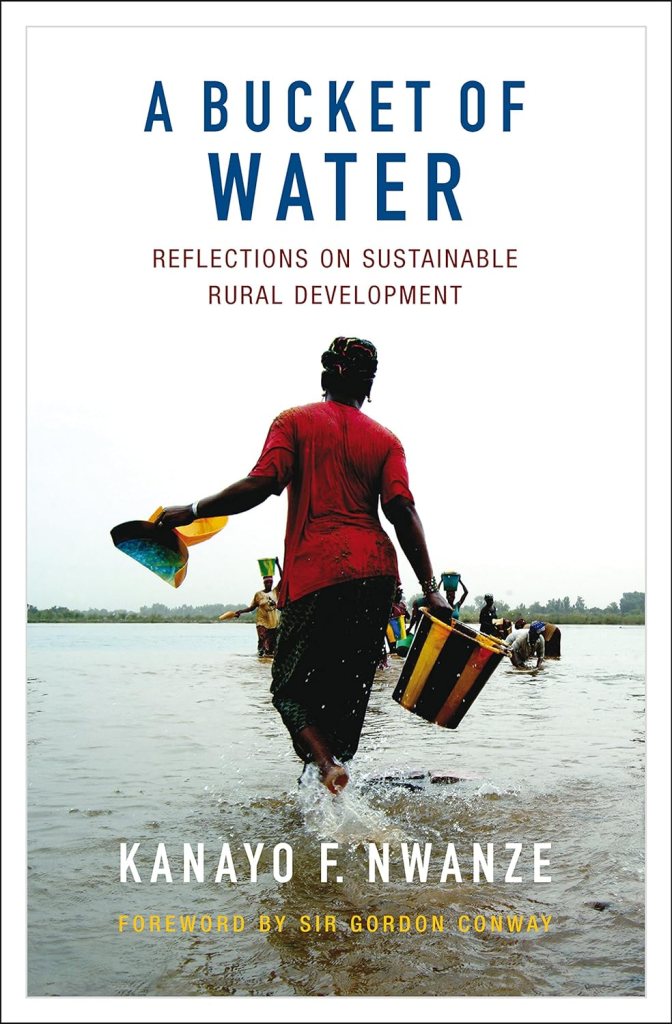
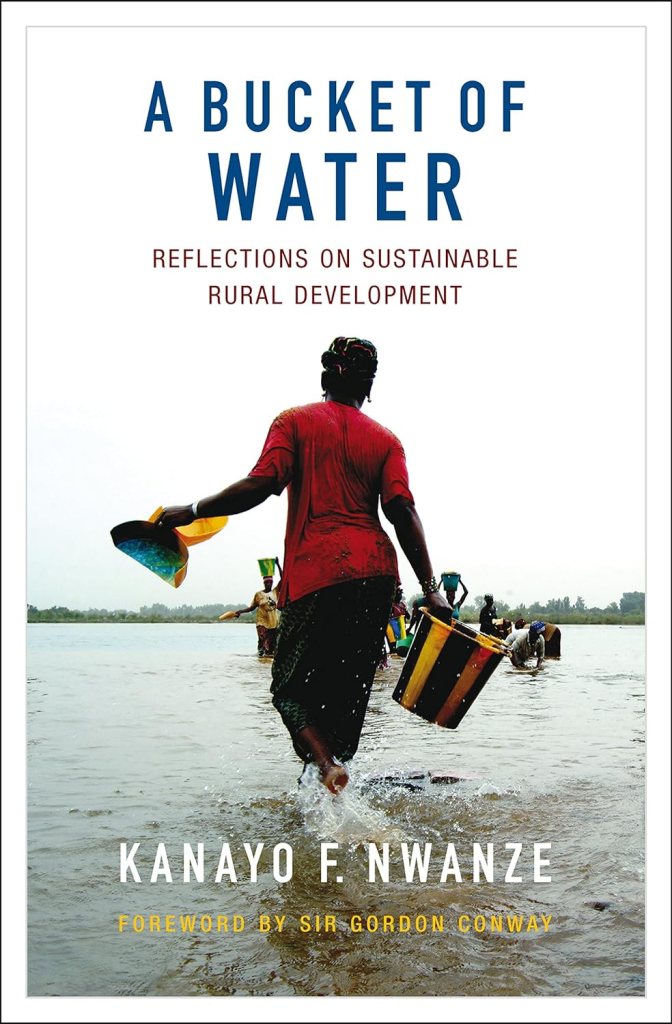
Excerpts from “A Bucket of Water”: Reflections on Sustainable Rural Development by Dr. Kanayo F. Nwanze.
“In the beginning, Jane Njagurara – a farmer in Kenya – had a single goat. By the time I met her, she had poultry, cows, and a thriving milling business. Not only could she send her children to school, she was also employing others in the community. In other words, to echo the theme of this book, Jane had fetched her bucket of water.”
“Undoubtedly, many factors contributed to Jane’s achievements, including her membership of a dairy group supported by an IFAD-supported project. But a development project can only provide opportunity; it is only a drop in the bucket. I suspect the reason for Jane’s success had as much to do with an inner drive to provide a better life for her family.”
“In my career as both a scientist and an administrator, I have learned to track success through objective indicators. But I have also found that to understand results we must go beyond what can be measured in a test tube or plotted on a spreadsheet. In the end, development is about what really matters to people. It’s about empowering them to take greater control of their lives, against all the odds that may be stacked against them.”
“Sometimes a project’s success can be measured against tangible factors. For me, however, the most important outcomes are often intangible, such as the pride of a mother who can send her children to school well-fed and well-nourished, perhaps for the first time. When I am privileged to witness such a moment in people’s lives I know that real change is possible.” ~(Nwanze, 2017, p. 1-2).
Reflections & Next Steps in relation to African Development by Dr. Ikenna A. Ezealah
1. Development is endogenic—occurs from within, and multiplies the abilities already possessed. Jane was a skilled farmer with one goat, so development just enhanced what she already possessed and multiplied her enterprise into a thriving milling business. Just as a tree bears fruit with a seed for further development, so could Jane’s business plant the new seed of her children’s educational future and employ others in the community. Development for Africa starts with identifying the abilities the people already possess, then just supporting them to enhance and multiply it.
All the visions required for indigenous African progress across all sectors is gifted to the spirit of the African people. More explicitly: all the solutions to Africa’s problems and the ideas for upbuilding flowing from the Creator enters the earth in the natural abilities within the spirit of the African people, which only needs support and an enabling environment to be activated, expressed and implemented for collective progress. Thus, one characteristic of the right visionary and iron-willed African leadership is the capacity organize, coordinate, and implement the pre-existing inspirations and abilities from the spirit of the people around a unified initiative. If championed, Africa will experience a developmental sonic boom!
2. Membership in supported community groups: “If you want to run fast, go alone; if you want to run far, run together”. The African proverb emphasizes the multiplying power of community, the importance of individual effort that can be magnified by the supportive collaboration of people within a group of similar interest. Jane was a farmer, became a member of a group, and the group was supported and provided an opportunity that Jane capitalized. Too often in Africa people labor alone and cannot draw from the power of a well-organized and supported group. Development for Africa needs to encourage the formation of organized membership groups of similar activity, which should be supported by leaders so individuals can achieve more and go far with their initiatives—like Jane.
3. Development that empowers people to take greater control of their lives… and environment. Development in Nature enables greater control and independence. As a baby develops into a youth, it growth learning empowers it take greater control its body, and it becomes more self-sufficient and independent. Jane, through personal diligence and a supportive environment that yielded a successful business, was empowered to take greater control of her life and have a greater influence on the future of her children and members of the community. In Africa, does the leadership empower or deprive people of development? Do the institutions and systems of the society form a supportive or hostile environment to personal success? And do the people or foreigners have greater control/influence over Africa’s government, natural resources, industries, policies, and general development? Development for Africa means leaders empowering the people to use their abilities to develop and take control of their lives, communities, resources, and country.
4. Intangible outcomes of progress—People are human beings, not human bodies, and the human soul is driven by values. Development then is not just about the expression of abilities through the body and the physical improvements of living conditions, but it is also about the ennobled qualities that emanate from the human soul. The deep inner feelings and stirrings. With Jane’s increased success through her thriving milling business, imagine the pride and confidence that wells up from her soul at being able to support her children and further her community! This is the intangible victory of the soul in positive development. Development for Africa also means consciously valuing the intangible outcomes of all policies on the inner life of the people, and the commitment to ensure that progressive outward development is always balanced by the inner drive and expression of furthering values. Therein lies true progress for the African people.
Next Steps for African Governments
Indigenous development: Refrain from just copying and importing what foreigners have developed and calling it progress. Instead, focus on supporting, investing, and developing the preexisting inspirations and talents of the people. These abilities when properly nourished is what grows into innovative indigenous institutions, systems, and industries.
Growth and Protection of Community Groups: Encourage and protect through policy the forming of community groups that pools people of special interests and activities together, so they can speak with one voice, have representation in national policy issues, and gain strength in numbers. For example, a well-supported Farmers’ Cooperative will enable smallholders to have more bargaining power.
Regular Assembly Meetings: To empower people first requires listening to them and reinforcing their needed activities. Traditional African communities had regular assemblies in which the leaders and the people could interact on matters of collective progress. ———-> Officials should be required to visit their constituents and community groups on a numbered basis per quarter in an assembly format. Officials must then listen to the various organized ideas, issues, questions, the specific ways community members need support, then use that information as a basis of policy representation at the state and national level. Officials would also account for every vote, monies, and projects in relation to the community, and the status of previously discussed items. ———-> The meetings create a constant feedback loop between community members and officials that is lacking today, which increases accountability. Empowerment naturally follows. Empowerment is a person’s ability to directly influence or control the factors that determine the developmental direction of their lives, communities, and country. Through the periodic assemblies, people will have the opportunity to directly shape the factors that determine the quality of their life and community.
Intangible outcomes of progress:Genuine leadership in governance is not just about improving physical conditions, but uplifting the soul of the people. The human soul is driven by furthering values. Thus, every policy should first start with a statement of the furthering values it is meant to support within the people. Also, in addition to measuring the physical effects of policies, the intangible effects on the soul of the people should also be assessed, recorded, and discussed. Doing this would put the human soul and furthering values at the focal point of national policies, so leaders with the eyes of the spirit can make decisions that uplift the people inwardly and outwardly.
~Dr. Ikenna A. Ezealah, Ph.D., MBA Builder of the African Future
I completed the book “A Bucket of Water”: Reflections on Sustainable Rural Development” by Dr. Kanayo F. Nwanze, my late mentor and former President of the UN International Fund for Agricultural Development (IFAD).
In developing countries, if you want to build a sustainable economy that includes most of the population, ends hunger, tackles poverty, and addresses inequality, what critical area and group of people should you first focus on to achieve lasting results? Three-quarters of the world’s poorest and hungriest people live in rural areas. About 57% of the total population in Sub-Saharan Africa live in rural areas. Hundreds of millions of these rural people work small farms. And even as the world becomes more urban, it still depends on rural areas for food, clean water, environmental services, and employment. Rural people and smallholder farming is thus the baseline.
During the 1960s and 1970s when many African economies were more prosperous, many were net exporters of major food crops and some African governments invested as much as 10% of their budgets to agriculture. The continent had universities with agricultural facilities, research centres, and stations worthy of the name. Across the centuries it was agriculture that has given the first impetus to economic growth for more advanced countries today. Thus, Dr. Nwanze states, “The path to modernity and inclusive prosperity must pass through fields and pastures. That is both metaphor and truth.”
In his book “A Bucket of Water”, Dr. Nwanze harnesses his decades of practical observations and hands-on global experience in agricultural research and rural development to provide rich anecdotes in discussing various themes of rural development, while also reflecting on the work of IFAD. He shows that any genuine effort to achieve the Sustainable Development Goals and 2030 Agenda will fail if it does not include small-scale producers. Dr. Nwanze expands the traditional understanding of agriculture, and touches on the numerous inputs and factors that directly and indirectly affects it. He further discusses how the agricultural sector is not only foundational to developing other sectors in an economy, but that other sectors are closely integrated into the intricate agricultural value chain.
The book should be read by anyone interested in sustainable rural and agricultural development, and who is looking for foundational solutions to addressing poverty and hunger which will spur broader economic development and new opportunities. For those inclined to African nation-building and development, “A Bucket of Water” provides a sound blueprint for practical focus areas and action steps for building a brighter African future.
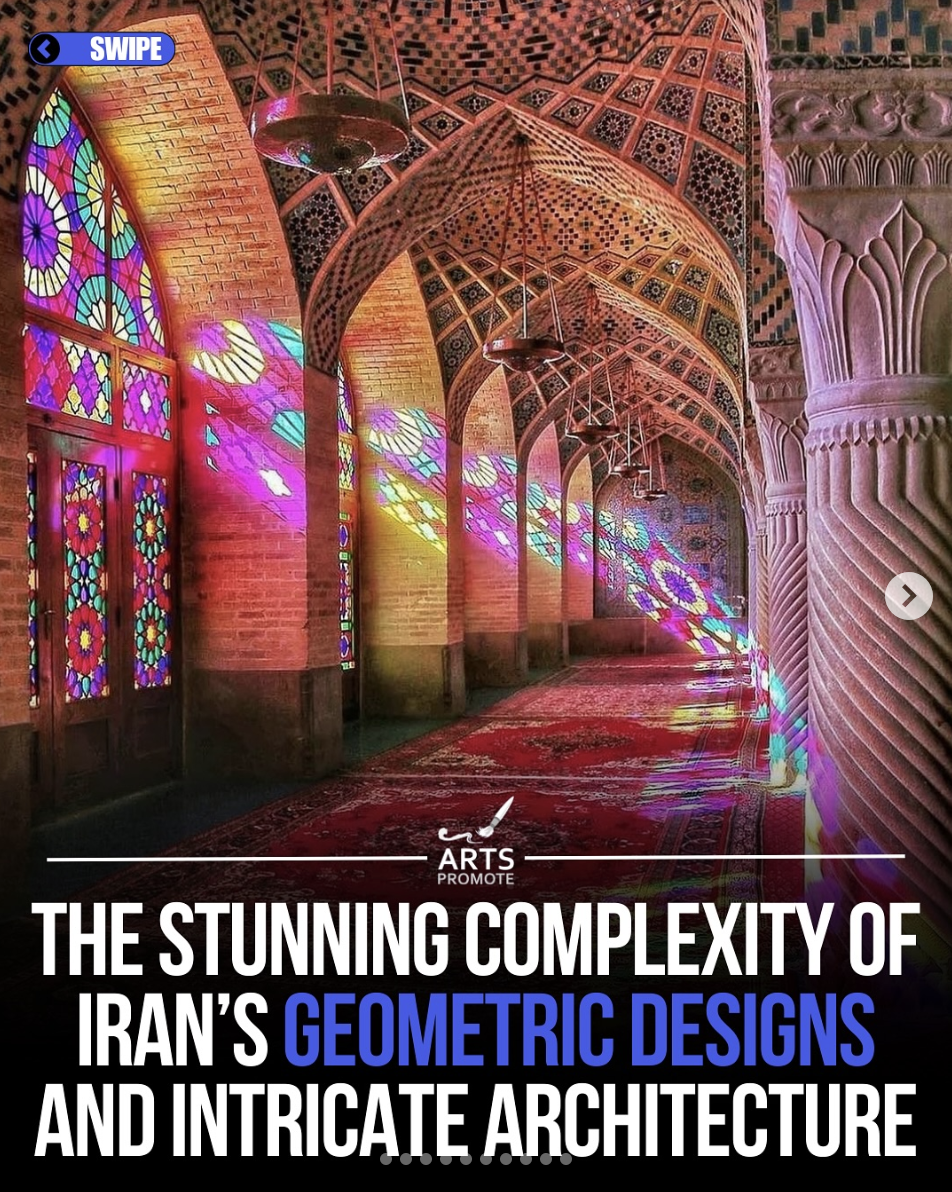
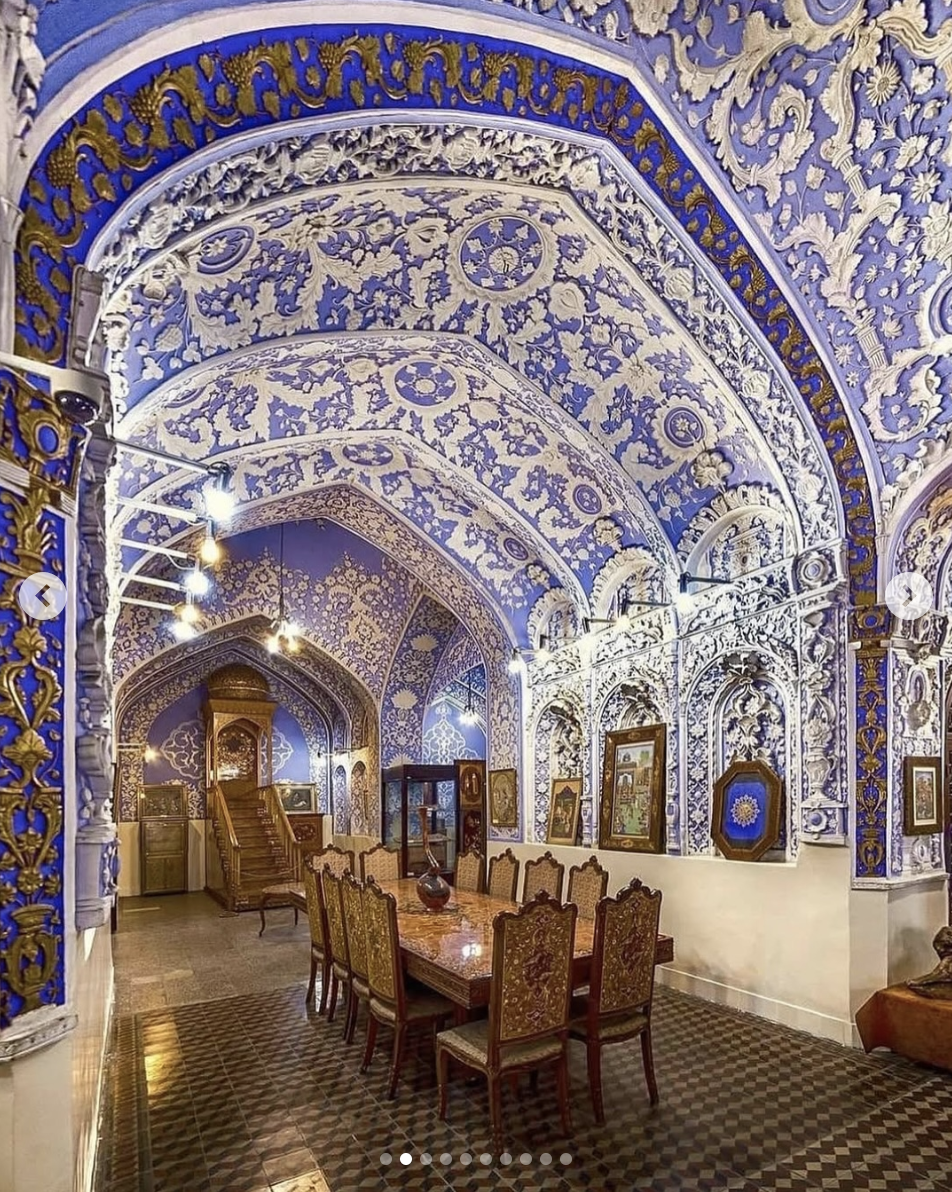
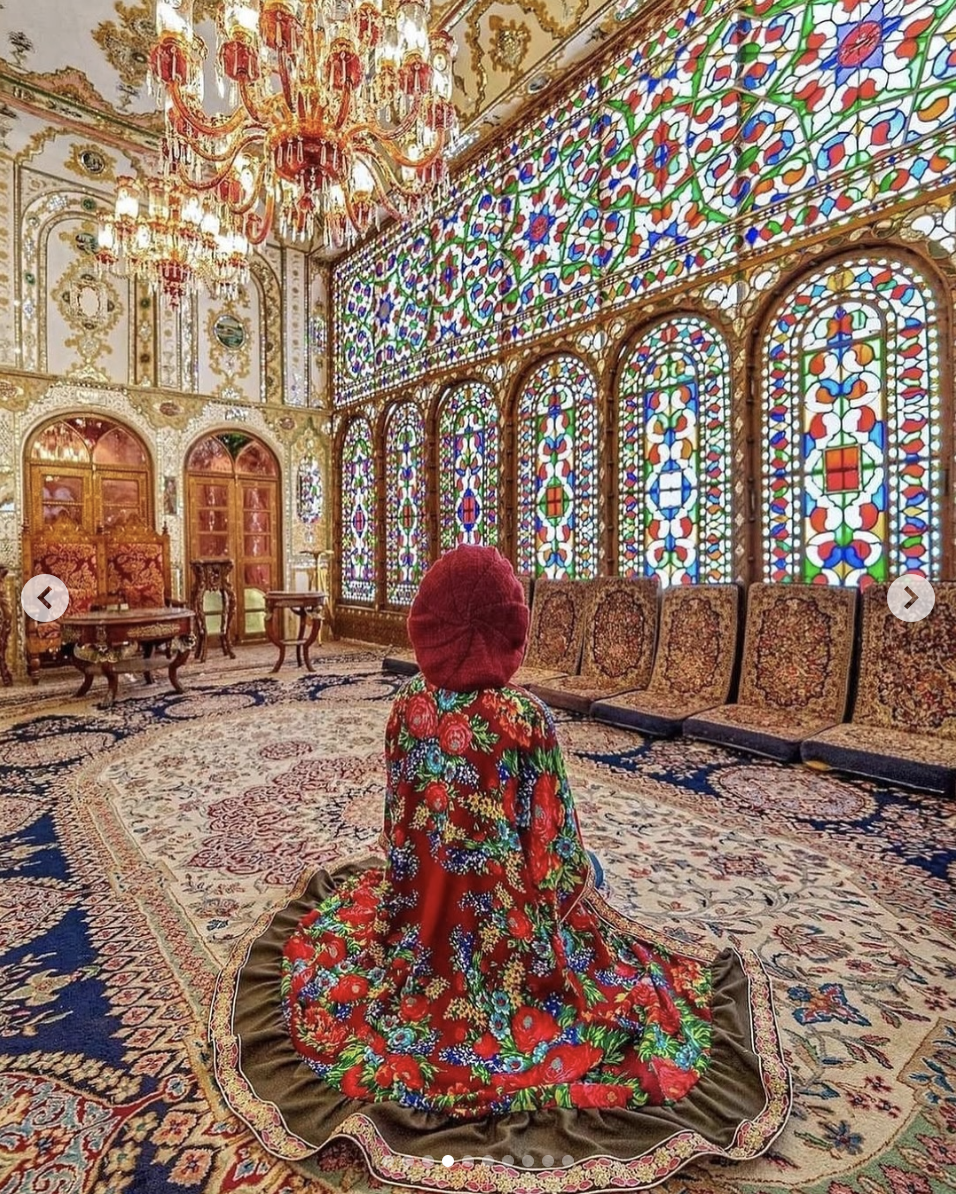
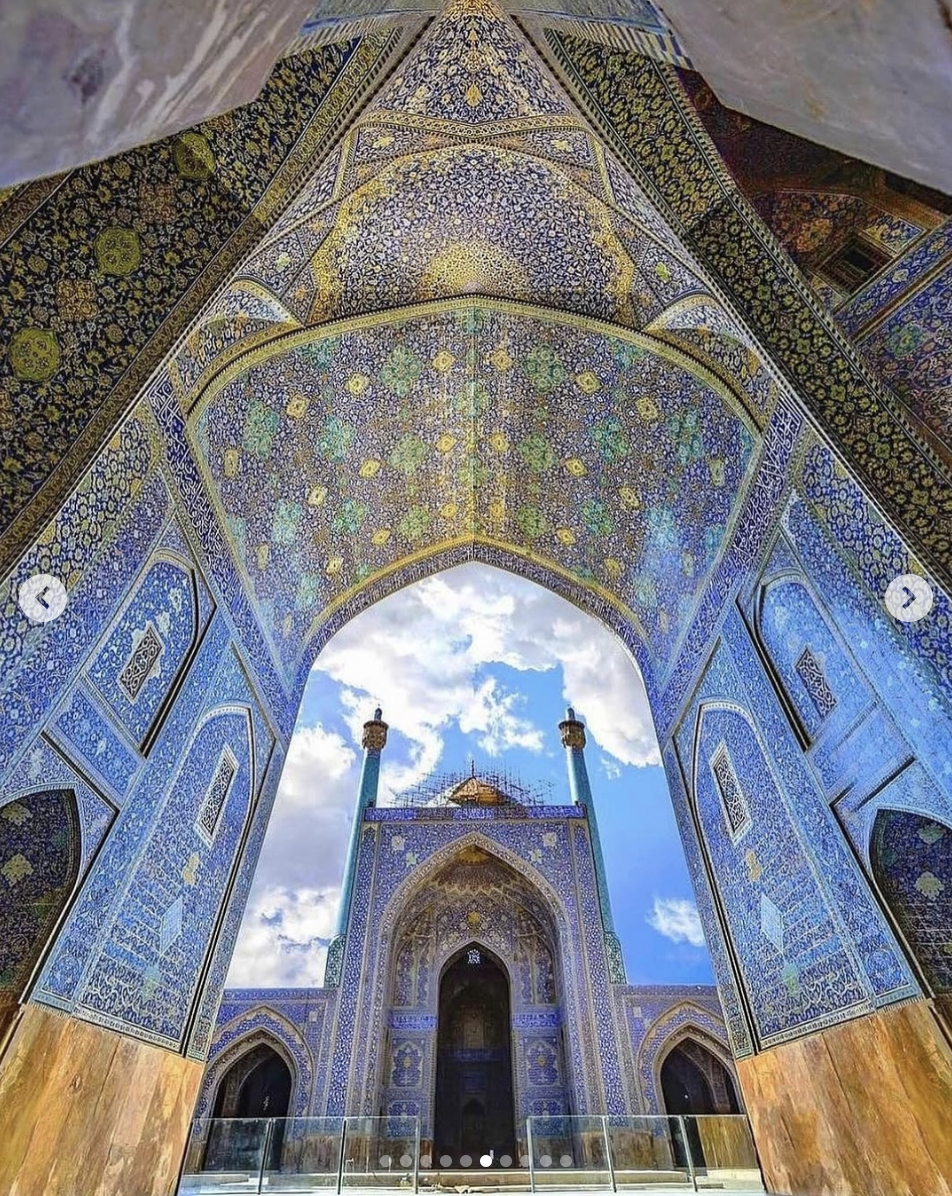
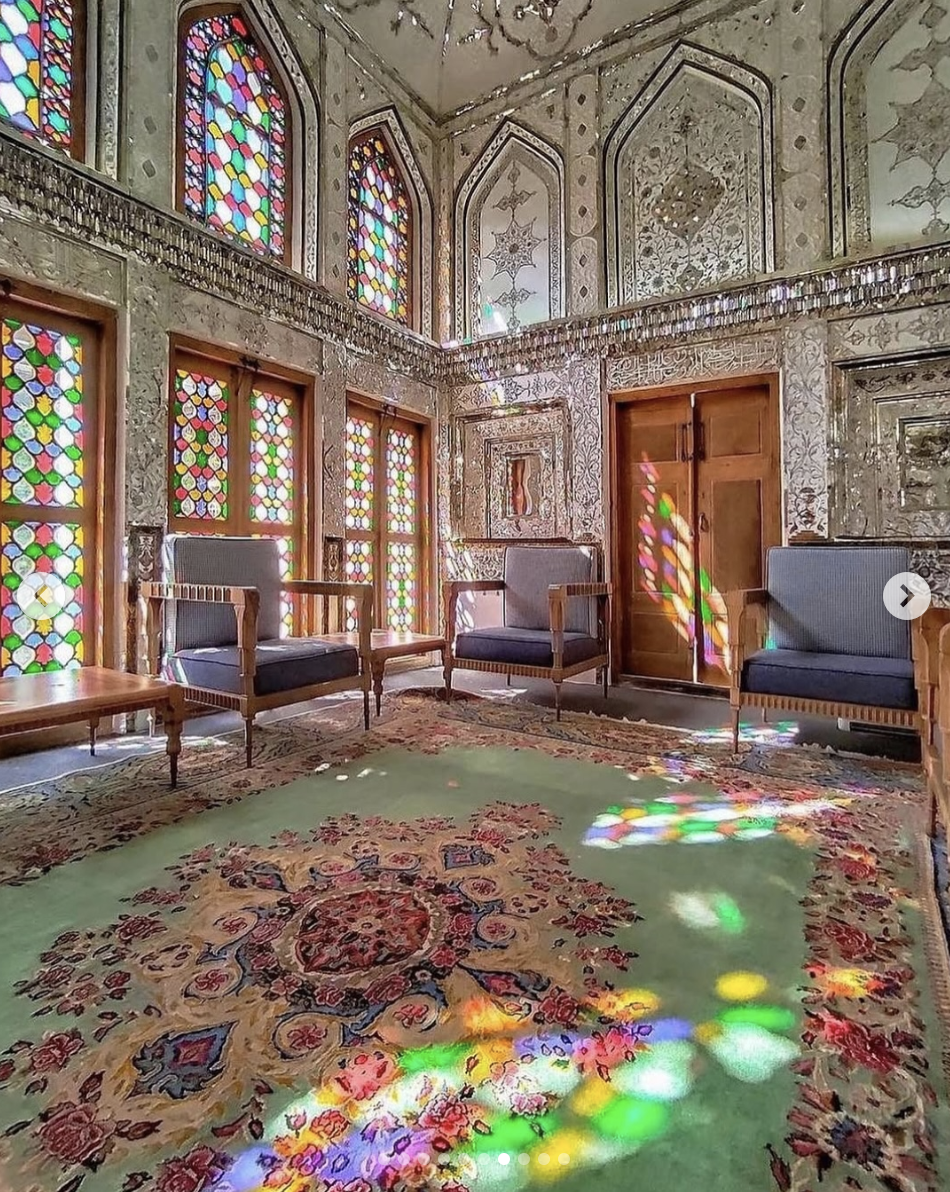
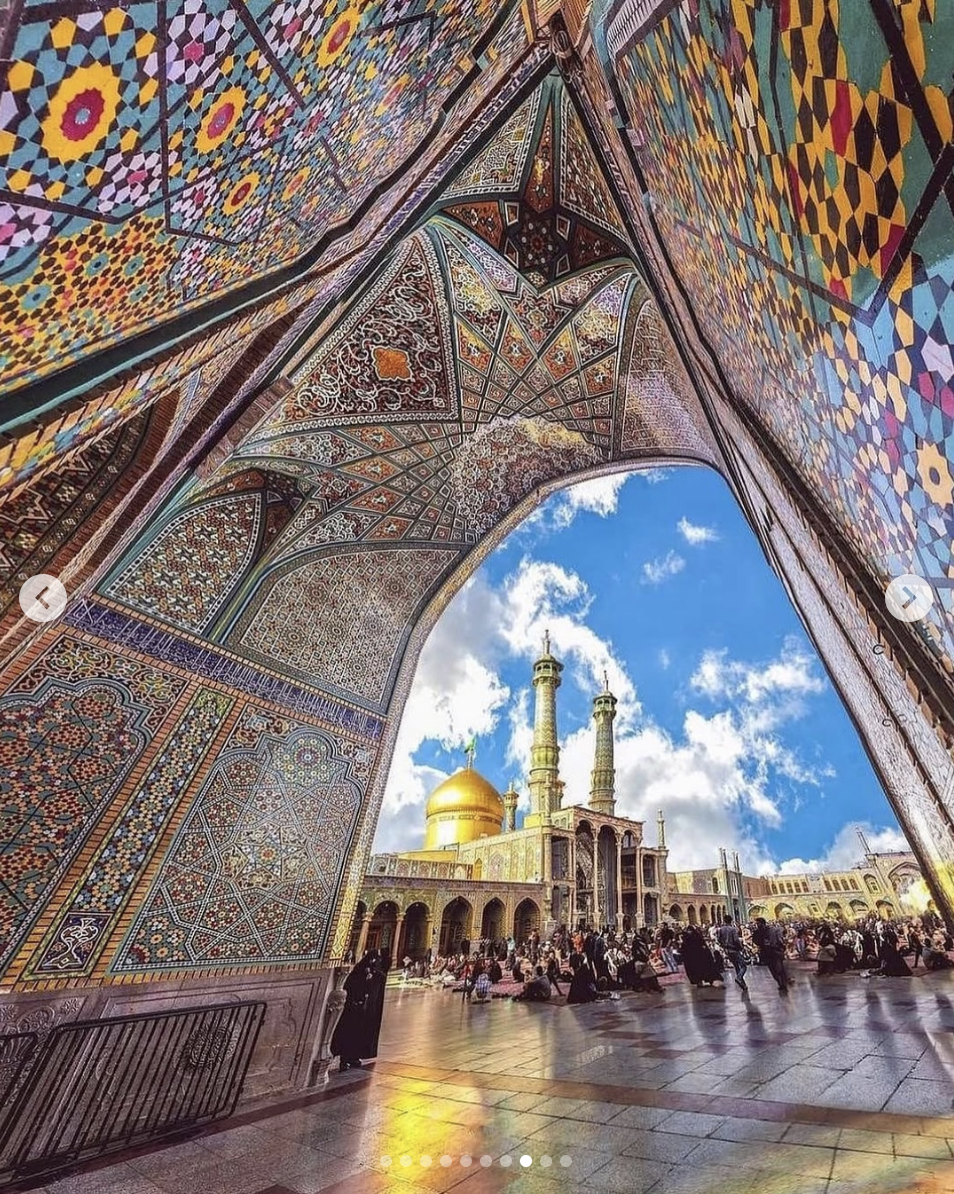
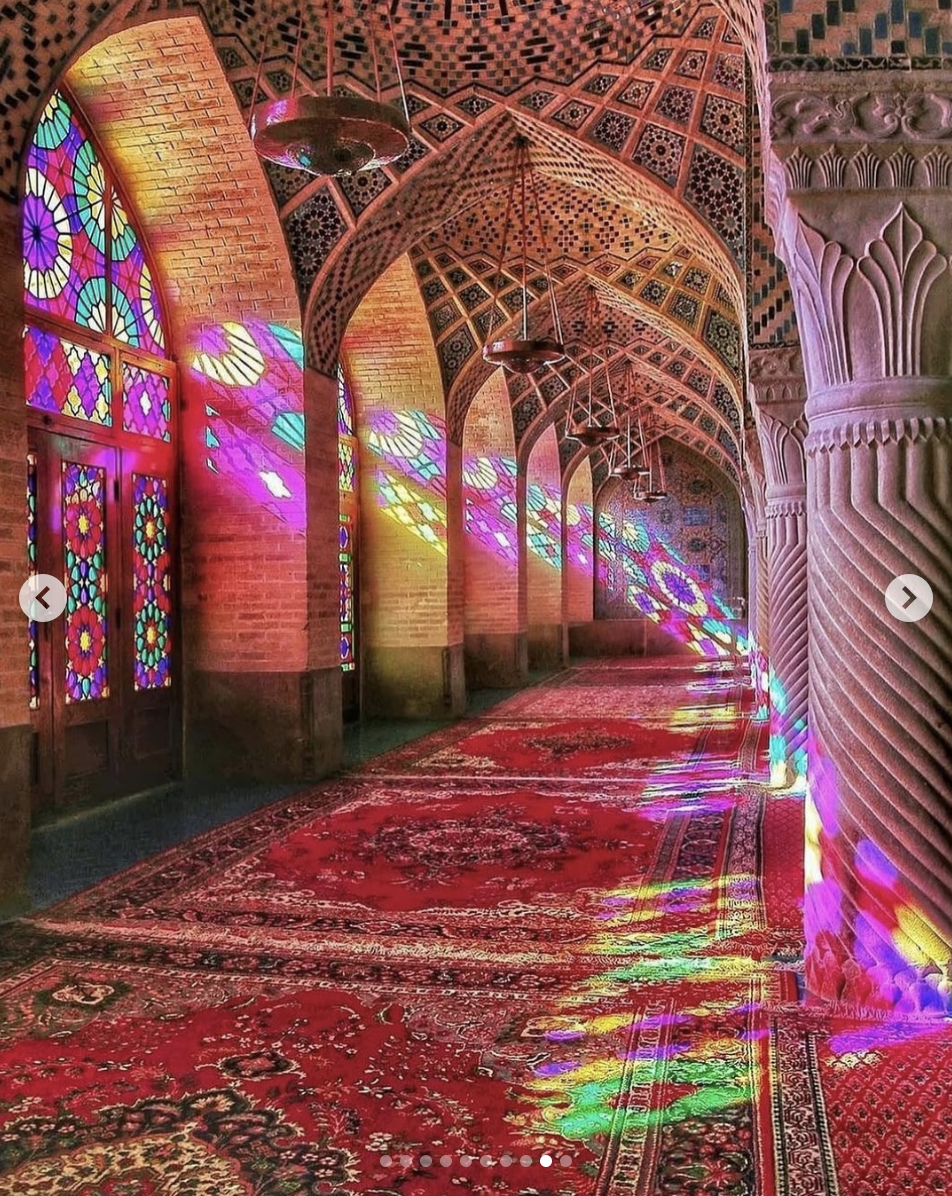
Reflections on Iranian architecture as inspiration for the emergence of modern original African architecture in the call for African nation-building.
Here is Iranian architecture playing an orchestra of colors that beautifully fuses the mathematical precision of geometric patterns with artistic elegance.
This is an example for African nation-building. The need for Africans to indigenously develop and ennoble its own interior design system from its own heritage, and then integrate its various models into standard home construction and interior design in Africa. Visionaries in office must use the executive arm of policy to incentivize this sector to flourish, which is so integral to African-nation building.
If you objectively observe African societies today, you will discover that the buildings African people and governments hail as evidence of “development and modernity” in their towns and cities are for the most part little more than cheap imitations of European and foreign architecture with imported technologies and furnishings! The obedient and indolent continuation of colonial designs and systems, to the exclusion of bringing life and refined expression to indigenous styles. The lack of self-esteem and confidence in one’s cultural capacity that neatly disguises itself as progress, but which is really retrogression.
African people today under wrong leadership are so hell bent on being little Europeans, instead of being proud Africans who constantly build and advance the original abilities and styles they already possess. Under these conditions, the self-respect and self-sufficiency of a people that comes with diligent cultural ennoblement and expression in all national sectors is lost! It is now high time to take a different course and start being original in all we do. So that our uniqueness as a people can beautifully shine and refresh the world with something different that comes from the ennobled spirit of the African people!
Leaders of Africa, remember that, as a gift of the Creator, all Africa needs to indigenously advance in all sectors lies in the abilities within the spirit of the African people, which calls for originality and not copying! Your task is to set the example of proud originality by building from within, create the frameworks and systems that harnesses these abilities, and inspire unification of thought and action around the implementation of original visions from above for African nation-building!
Focused Upward, Forever Onward!
~Dr. Ikenna A. Ezealah, Ph.D., MBA Builder of the African Future
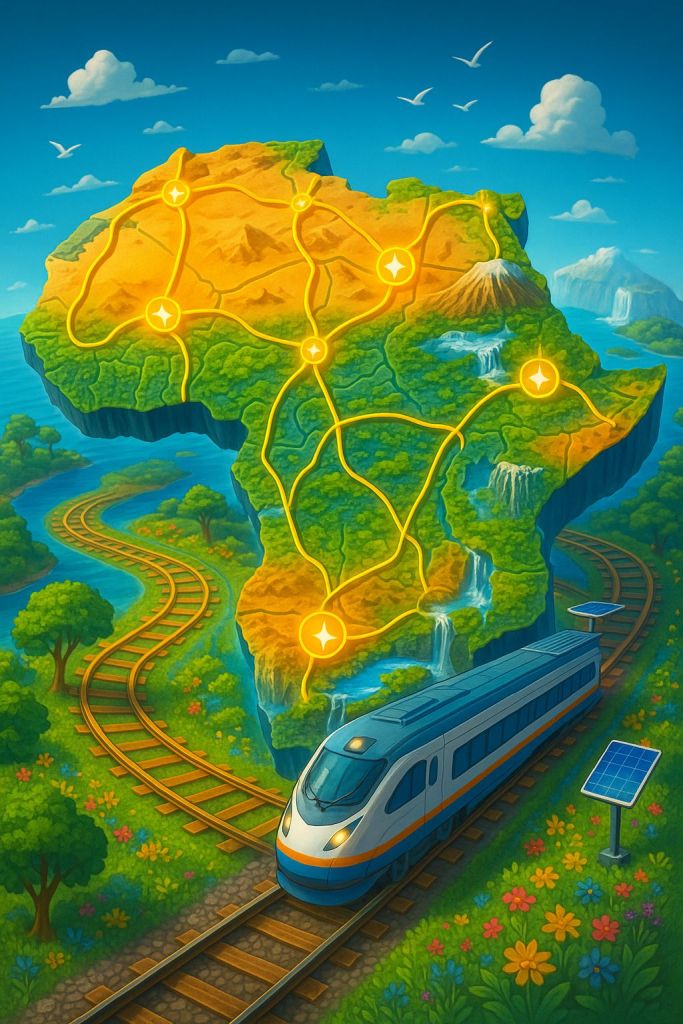
In Africa, what type of transportation network is best suited to unlock the free movement of persons, seamlessly connect all parts of the continent, and enable the dynamic movement of goods and services?
Before law school, I read the AfCFTA agreement twice and created a series of charts and flowcharts to make the information easily accessible. I reflected on the AfCFTA’s goal of promoting the free movement of people and its aim to enhance economic integration and unity across Africa, and I noticed how it aligns with the African Union’s Agenda 2063 free movement goals.
Considering these objectives, I asked myself what form of transportation would best enable the free movement of people across Africa? And I envisioned a comprehensive and fully integrated African Continental Railway System (ACR).
Airplanes are important modes of transportation, but to best unlock the movement of people, goods and services in Africa, it is my conviction that an African Continental Railway System is best suited to the African dynamics and disposition.
African leaders could collaborate to create a framework for a Continental Railway System, linking all regions of the continent and allowing citizens to travel freely between countries. First, a continental network could be established, followed by regional railway frameworks aligned with the ACR for seamless connectivity. National governments could then layer their railways in coordination with these regional and continental plans. The economic, political, and social impact of such a system would be transformative, releasing a socioeconomic sonic boom into the future.
A continental railway would facilitate the movement of people, goods, ideas, and resources, allowing Africans to live in one country and work in another. Imagine a person living in Nairobi (Kenya) who can work in Enugu (Nigeria). Consider a developmental project in Abijan (Côte d’Ivoire) that can be partially staffed by technical experts from Yaounde (Cameroon) who would get there daily through a highspeed railway linking the countries.
But it would also create jobs across countries for Africa’s growing population, sparking continent-wide productivity and skills development. Rail construction, operation, engineering, and logistics would involve an unprecedented transfer of skills and training, contracts, public-private partnerships, allowing African youths to play a central role in building and sustaining a unified infrastructure. The ACR would facilitate industrialization and manufacturing by also igniting the steel industry in Africa. For it would be Continental Law in promoting self-sufficiency that the production of all components of this Railway System must happen in Africa! Regional hubs connecting businesses, factories, industrial sites, cities, schools, and cultural centers would open Africa to itself, fostering a rich and reciprocal exchange of culture, resources, and labor. Africans could experience the continent’s natural landscapes, while work and leisure become truly continental.
Imagine traveling on the ACR from Conakry (Guinea) to Addis Ababa (Ethiopia) or Khartoum (Sudan) to Pretoria (South Africa). On the major pit stops African people from different ethic groups would embark and disembark. Think about the human and cultural connection! Imagine seeing and experiencing the diverse landscapes and natural wonders of Africa as you travel! It is impossible to see and appreciate the natural beauties of the land through air like you would closeup in a railway!
While challenges would undoubtedly arise, such an initiative would require comprehensive planning, precise coordination, tactical execution, public-private partnership, and the continuous engagement of citizens. However, if Africa’s leaders could establish the African Continental Free Trade Area (AfCFTA) to create a single trade market, they can achieve the same framework for the ACR. It just takes a bold vision, firm will, commitment to planning, and a tenacity for execution! The realization of this vision may take some time, but part of a visionary’s work is to establish frameworks for the future. And I believe the African Continental Railway System represents the best means of achieving a connected Africa for the free movements of persons and goods.
Let African leaders, governments, and institutions take note.
Let nation-builders in Africa step forward, bold and courageous, to build the African future! Leaders of Africa, it is high-time to think big and start leading with bold visions and diligent hands that work to realize it for the progress and development of the African people!
Onward & Upward!
~Dr. Ikenna A. Ezealah, Ph.D., MBA Builder of the African Future
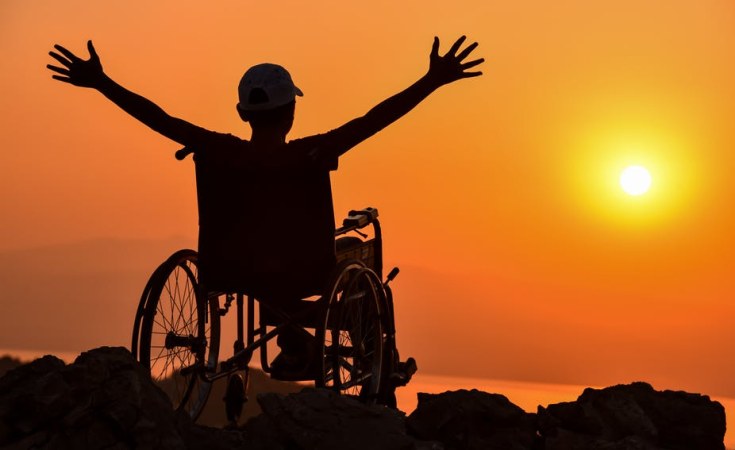
If you are a person with disabilities in Africa (PWD), then be prepared for a miserable life marked by marginalization, social isolation, inaccessibility of public systems, and scant support. If many able-bodied Africans already face severe disadvantages, then you can only imagine the compounded plight of persons with disabilities and vulnerable groups.
In the dialogues and initiatives surrounding African progress, this topic is notably absent. In my personal experience not ONCE in any African Conference, development forum, or strategic planning session have I heard the topic broached! As if the African future is reserved exclusively for the so-called “able-bodied”.
Today I call on the African people and governments to correct this moral and strategic oversight.
And that is why, in my vision and planning for African nation-building, the rights and needs of PWDs are a central pillar that is integrated into all facets of the national development agenda. It is our sacred duty as builders of the African future, to design the policy, institutional frameworks, and community structures that will safeguard and enhance the lives of the vulnerable among us. Any African initiative that excludes the needs of PWDs is defective and must be revised.
Think broadly: architecture, infrastructure, housing, job training, education, public systems, transportation, marketplaces, assistive devices, social services. Every domain must be touched by this inclusion.
A true African leader is one who, guided from above, surveys the full landscape of the people’s needs—including the most vulnerable—and becomes their fiercest advocate. Not for political points but because it is the right thing to do. Because PWDs are citizens too who deserve equal support, investment, opportunity, and the full dignity of living autonomous, productive lives. They too have inner abilities given by the Creator that call for development!
I call upon the advocates of PWDs across Africa to proudly step forward and speak up. You are needed in African nation-building.
If we are to truly build an African future rooted in furthering values, then let leadership and governance in Africa resemble the Good Samaritan. He did not walk past the man crying out in pain on the roadside. He stopped, tended, and restored him. Such must be the honor Cross of African nation-builders!
As the Great Master was reported to say “…whatever you did to one of the least of my brethren, you did it to Me.” If we are to fulfill this Divine Directive, then we must recognize that PWD’s in Africa are among the “least of these”.
Therefore, only that African leader and government who energetically champions and thoroughly integrates the needs of PWDs and vulnerable groups into every layer of national life, is worthy of gaining Divine approval. Only that leader is a Good Samaritan. That noble leader who, in humility, joyfully helps and uplifts ‘the least of these’, thereby proving themselves to be a real helper to the people and a servant of God of earth!
~Dr. Ikenna A. Ezealah, Ph.D., MBA Builder of the African Future
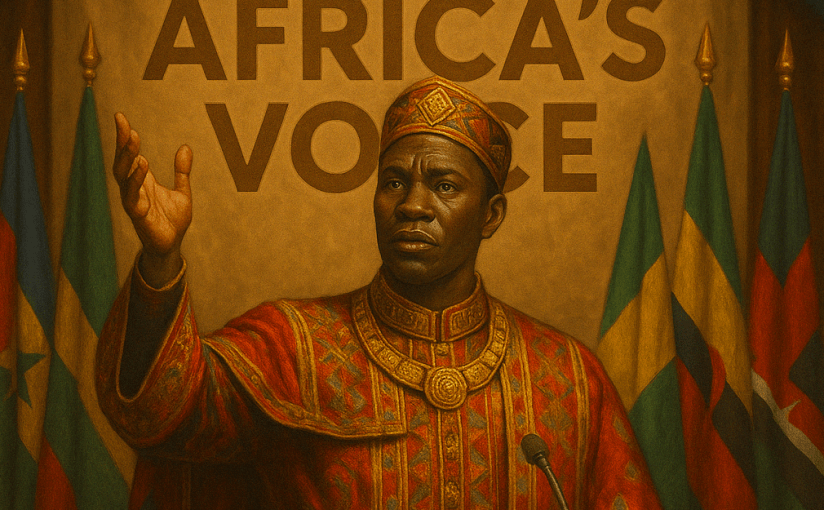
Many people are discussing Africa as the future—and rightly so, given its immense potential.
Academics, investors, politicians, think tanks, individuals, and governments alike all have something to say about the need to position themselves to benefit from the African growth they believe is coming.
Conferences are held to set global development agendas and define Africa’s role. Others focus on Africa’s place in the geopolitical tensions between the U.S. and China. Some spotlight climate change or other global trends and how Africa can adapt. Still others center on technological innovation and how Africa can catch up. The list goes on.
The voices are loud—talking about Africa, talking for Africa, even trying to set the agenda Africa should follow.
But you know who is silent amid all this clamor? African leaders.
Like palm trees swaying in the wind, many attend conference after conference, adjusting their positions to match whatever the international community is saying.
But no one truly knows the position of African leadership. No one has seen a united front articulating a bold, original vision for the Continent—a vision championed confidently before the world as Africa’s position!
So I ask: African leaders, where do you stand? What is your conviction? Where is this continent going under your leadership? What bold vision have you put forth to shape the future of your people? What priorities have you established, instead of merely accepting the priorities handed to you by others?
It is with shame, frustration, and fury that I look into the ranks of much of Africa’s leadership—because I am utterly clueless about where the continent is heading. There is no guiding vision.
Everyone is speaking about and for you, Africa. But you, leaders of Africa—why are you silent? Why do you lack conviction and original vision? Why have you become mere followers—puppets—echoing the positions of foreign ventriloquists?
Yes, a few African leaders today stand as exceptions. But most have no business being in office. They should step down and make room for those who do have the capacity and conviction—those ready to serve with their whole heart with an iron-fist for the good, and lead their people forward with original visions brought to life through aggressive nation-building!
Leaders of Africa: Stand up. Straighten your backs.
Speak up. Declare your vision.
Lead your people into a brighter future.
And if you cannot—then respectfully step aside so those whom Heaven has endowed and prepared for these times may step forward to take action!
The African people are tired of lukewarmness and weak leadership, and hunger for something more!
Now is the time for firmness, for strength, for vision, and for bold action.
Leaders of Africa… speak up for your People and Continent!
Leaders of Africa… Speak up!
~Dr. Ikenna A. Ezealah, PhD, MBA “Builder of the African Future”
I am earnestly committed to the Cause of African Nation-building. So I focus my energy on what affects the lives of the African people, and prioritize relationships with people who are earnestly committed to this goal, or who enhance my life in varied ways which enables me to better pursue this goal.
In this process, life naturally orchestrates connections with people at all levels—even the highest professionally—who also share this goal in their own unique way.
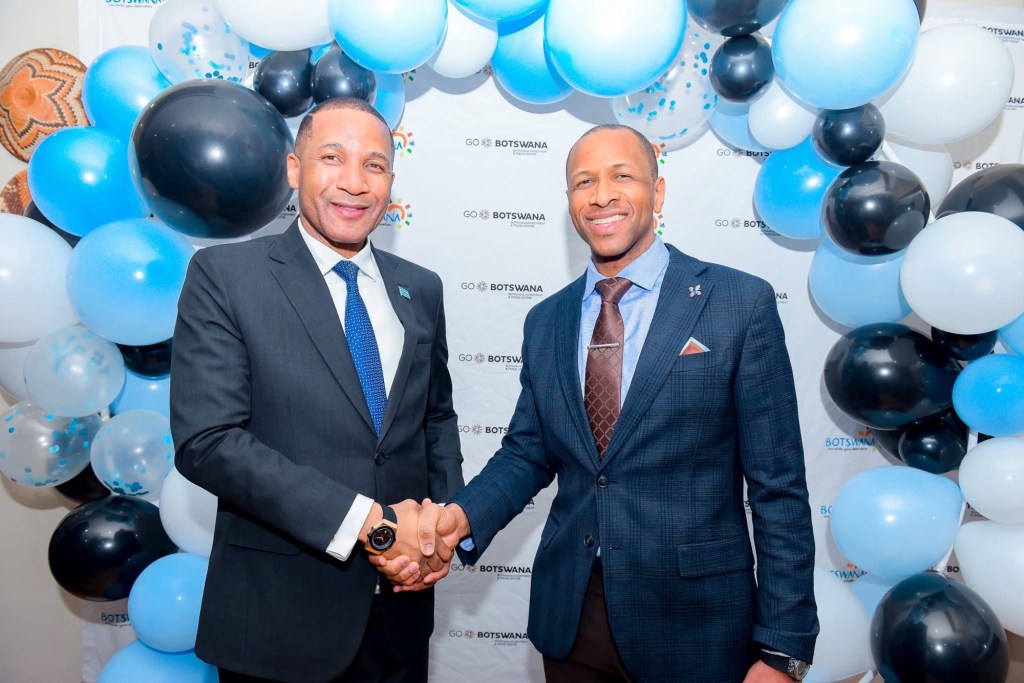
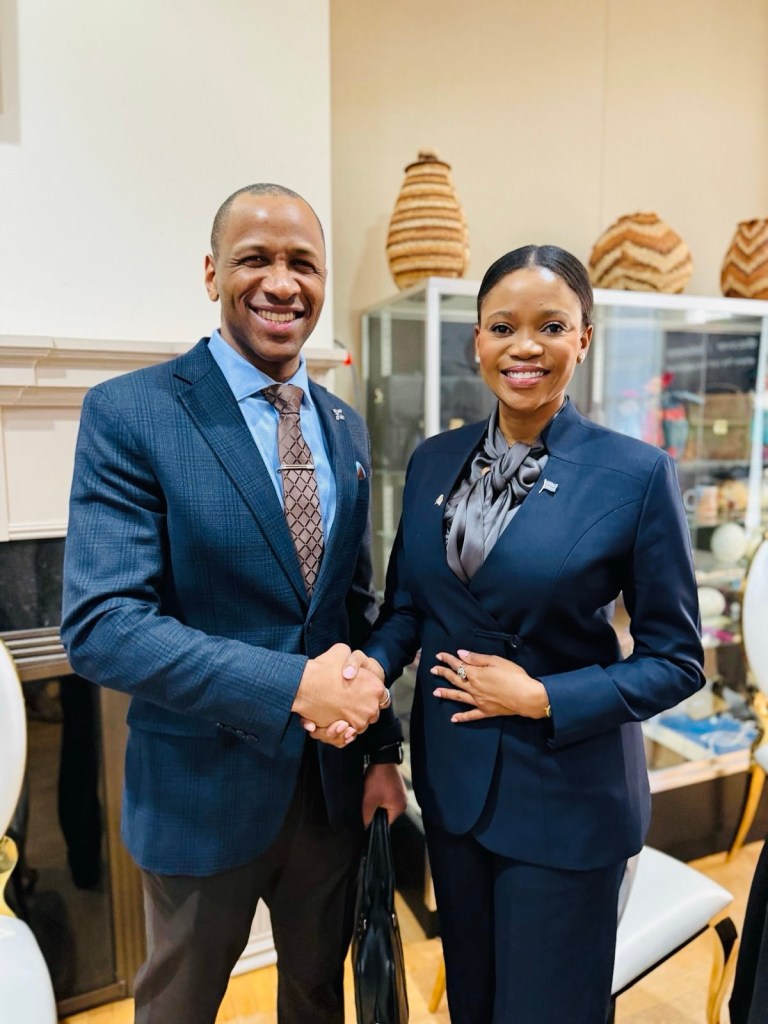
One such encounter recently occurred on Friday, March 7, 2025 at the Embassy of Botswana in Washington DC. There, I had the pleasure of meeting and interacting with two other nation-builders and rising political stars in Africa: the newly elected President Duma Boko of Botswana, and Bogolo Kenewendo, Minister of Minerals and Energy of Botswana. Of course, all discourses had one theme: African nation-building. After meeting them, my confidence in Botswana’s bright future is reinforced.
President Duma Boko and Dr. Ikenna EzealahMinister Bogolo Kenewendo and Dr. Ikenna Ezealah
Photos are great, but I should emphasize that my aim is beyond photo-ops. It is focused on a broader coalition-building of people who are committed to forming strategies and taking energetic actions that will physically manifest in the continent to directly improve the lives of the African people.
I hope to unite with such people who are focused on building a brighter African present and future.
Summary: I ask the fundamental question: “For Africa to Develop, Is Democracy the Right Form of Government?” I address it by reexamining the basic principle of the US system, the colonial systems, and some developed countries today. A pattern emerges that shows a different truth than what is sold to Africa. The basic principle which Africa can use to achieve development once it is indigenously adjusted to its context.
A CONTEXT Currently the global African people are not united and lack a common symbol that would help to create a sense of collective unity. By global African peoples I mean Africans in Africa, the diaspora, and Africans who left via the slave trade and are now citizens of independent countries. Collective identity and meaning are important prerequisites for unity and cooperation for the global African peoples, and cultural or national symbols are powerful aids to fostering this sense of unity!
ISSUE: Currently the global African peoples celebrate different independence days, based on when their different countries obtained independence. The global African peoples do not keep up with the plethora of dates, and many end up celebrating only their individual country’s independence or at most a few other countries. This leads to a fracturing among the global African people’s, who often do not really internalize the independence celebrations of another African country/people or relate it to their own heritage and history.
THE QUESTION: What is one creative way that independence day celebrations can be strategically harnessed to foster a greater sense of collective unity among the global African peoples?
A SOLUTION (one of many) I propose GAPID: “Global African People’s Independence Day.” A commemorative day when the global African people’s across all African countries, the Caribbean, and the America’s celebrate a day of collective independence. A day when all historical sons and daughters of Mother Africa unite as one people, raise different flags only as part of a broader mosaic of the global African peoples, celebrate commonalities, shared experiences, but also our unique evolutions and transformed identities that are beautiful feathers of the same bird. A day when we stand as one people, looking to the past, present, and future!
WORD OF CAUTION The proposal would need to be carefully enacted with other proposals, so we avoid the danger of making the contemporary history of the global African peoples associated with slavery and colonization the primary marker of their collective identity! For the African peoples have a rich history of cultures and kingdoms whose elements would need to be factored to broaden the scope of the proposal.
CLOSING The Osagyefo Kwame Nkrumah forwarded “Africa must unite!” Here, the proposal of GAPID – Global African People’s Independence Day seeks to advance that vision! Thus, I also call for the formation of GAPCON: Global African People’s Council of Nations, and the creation of a corresponding flag!
We must no longer stand aside and passively hope for a brighter African future, but with gaze focused upward and daring vision we must boldly spin the wheels of development forward! While diligently using our God-given abilities to energetically forge the African destiny into reality!
One Africa, One People… Focused Upward, Forever Onward!



 Nation Upbuilding