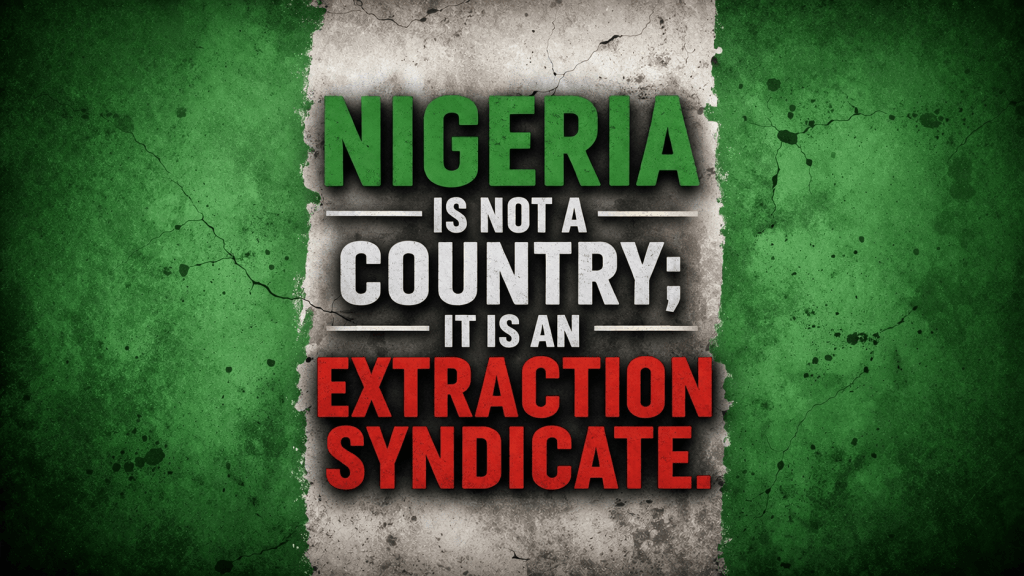
A country is a group of people bound by common laws, with functioning institutions, and a government that harnesses the commonwealth to support the development of citizens and provides a framework to solve collective problems.
The basics human beings need to survive are water, food, shelter, security, and energy. So the first task of any government is to address these needs which are preconditions for other developments.
But since Nigeria’s independence on October 1, 1960, not one of these has been fully solved.
✅ Water system: Is there a reliable water treatment and distribution system? A national water law or 30-year plan? No.
✅ Food: Considering all the arable land, is there agricultural self-sufficiency? A developed agricultural value chain? No. The country is importing food.
✅ Shelter: Is there affordable and accessible quality housing for all classes? A closely monitored national plan? No. Look at the shortages professionals face.
✅ Security: No need to even address this.
✅ Energy: Do Nigerians have reliable energy? No. Since independence, energy has featured in each election, but no government has solved it. Electricity supply is worsening, and even fuel has been an issue.
Leaders and different ethnic groups live under different sets of laws that apply unevenly. Institutions are malfunctioning and unreliable, and leaders extract wealth for themselves, their families, or their ethnic groups. Even citizens participate in this extraction. Here, leaders reflect the collective attributes of the people.
Nigerian people are resilient and promising, and there is much good; but Nigeria as a collective is a complete failure. Thus, unless major changes are made, Nigeria has lost every justification for continuing to exist as a country.
Either upheaval should sweep away the current leadership class and inaugurate a new era of nation-building visionaries, or, from the outside, an iron fist should enforce the dissolution of this country. There can be no in-between, as all half-measures will only be resisted by entrenched interests seeking to keep the country in a low state of development.
And I do not want to hear about colonization and the ghosts of Christmas past, we must take responsibility and stop blaming others for our collective failure.
Everywhere you turn in Nigeria, there is unhealthy extraction and rarely productive value that builds lasting institutions or solves real needs.
It is time for soul-searching and bold action. Those with furthering values and a heart of service need to step forward to help turn the tide. The same also applies to most African countries. The qualities needed to bring lasting changes are:
Noble aggression and righteous fearsomeness.
These qualities, guided from above, are what bears the volcanic heat capable of initiating a collective reset to bring about national transformation.
~Dr. Ikenna A. Ezealah
JD, PhD, MBA
Builder of the African Future

 Nation Upbuilding