As an African leader the best evidence that you are failing your people in the long-run, is if the World Bank and the IMF praise your “reforms”.
Recently a World Bank Delegation visited Nigeria and commended President Tinubu’s reform drives, noting that it is now a global reference point in their discussions with stakeholders.
Sounds great, until you examine the realities of Nigerians on ground and not what institutions say. Then you will realize such praises amount to nothing. Going further, I challenge anyone to:
Research the developmental policies of all advanced countries! Not what they SAY, but what they DID historically to get to where they are today! If you are honest in your research and analysis, you will conclude that not a SINGLE ONE of them wholly followed policies akin to what the World Bank and IMF proposes to Global South countries. Also, there are even no real success stories of the latter emerging from their challenges using these institutional models. See “Bad Samaritans: The Myth of Free Trade and the Secret History of Capitalism” by Ha-Joon Chang.
Despite this, many Africans are sheepishly hailing the World Bank’s praise of Nigeria’s “reforms” as something great! As evidence of development and progress! How delusional and illogical many Africans are when it comes to the capacity of calm objective examination against the backdrop of historical evidence.
I say to you: do you know the best way to achieve African nation-building? Listen to EVERYTHING the World Bank and IMF says, then do the OPPOSITE. Then real sovereignty, prosperity and long-term success will be yours!
Do you really believe these institutions want you to reach your developmental peak, to later become a competitor to the Western countries who fund them? Do you not understand the real goal of all their policy proposals? It is to:
1) Provide enough development to keep you mediocre with enough purchasing power to buy the goods and services of advanced countries;
2) Ensure your country becomes a permanent market for secondary goods;
3) Maintain the low prices of raw materials and their exporting;
4) Skillfully undermine every mass industrialization and manufacturing endeavor.
5) Open domestic sectors and critical assets to the mass privatization of foreign capital ownership.
No one can challenge these words without contradicting themselves. For they stand as immovable truth, as ungainsayable facts of objective reality!
African governments even relying on policy reform advice from these institutions is proof of incompetence. Africa, you must use your own brains, think your own original thoughts, and chart your own course to prosperity! Where are your experts, think tanks, and industry specialists locally and in the diaspora? Why the inferiority complex that is so eager to follow the advice of foreigners instead of your own experts? Africa if we wish to progress, we must change this attitude, look within, and follow home-grown developmental policies. Then we will achieve real sovereignty!
~Dr. Ikenna A. Ezealah JD, PhD, MBA Builder of the African Future
Why China Can’t Innovate Like America (And Why It Doesn’t Need To) … from US-China Global Pulse.
I have started following the insightful and riveting YouTube page “US-China Global Pulse”, which I highly recommend. There are many lessons to draw for African nation-building!
The page uses books, research, long-form storytelling, insights from leading scholars and analysts to explore how economics, geopolitics, technology and ideology interact and collide within the framework of the shifting power balance between the US and China. The episodes brilliantly uses engaging narratives that makes complex global issues easier to understand.
Through this page one can gain a much deeper understanding of the Chinese mentality and approach to global affairs, development, economics, governance and geopolitical strategy in objective contrast to the US approach. Not better or less than, but an objective analysis. It is well done. Here is a snippet from the above titled video, “Why China Can’t Innovate Like America (And Why It Doesn’t Need To)”… by US-China Global Pulse. The video description is as follows: “Everyone says China can’t innovate—they just copy. But what if that’s completely missing the point?”
“In this deep dive, we break down two fundamentally different innovation models: America’s Breakthrough Innovation (0→1) and China’s Application Innovation (1→100). You’ll discover why mobile payments exploded in China while America still debates chip vs. swipe, why the “copycat” narrative is outdated, and how companies like Huawei, BYD, and DJI went from followers to global leaders.”
“We explore why America’s model won’t work in China (and vice versa), the strategic shift forcing China toward original R&D, and what this rivalry means for global tech, supply chains, and your career.”
“This isn’t about who’s “better”—it’s about understanding two systems reshaping the world. Whether you’re an investor, entrepreneur, or just trying to make sense of geopolitics, this framework changes everything.” Those who are committed to African nation-building must first take time to carefully observe, learn, and experience. Drawing principles from phenomena, confirming them, then gradually applying and integrating them.
Enthusiasm and passion will get Africa nowhere without a disciplined process of personal education and deeper reflection of universal principles operating in human and national experiences. There is a time for action, and a time to study! Both should happen concurrently.
In Africa let us become deeper thinkers and strategists so we can move the continent forward.
Onward & Upward!
~Dr. Ikenna A. Ezealah JD, PhD, MBA Builder of the African Future
The Framing Nigerian and African leaders, set politics aside and think strategically about the long-term lessons you can draw from the bellicose tweet that Trump recently sent, which can be applied to develop your people and protect your country from potential future geopolitical intrusions. Think like visionary nation-builders! I will help in this, so let us examine the words!
In response to claims of Christian deaths in Nigeria, Trump tweeted the following. I have bracketed words for logical emphasis: “IF the Nigerian Government continues to allow the killing of Christians, [THEN] the U.S.A. will immediately stop all aid and assistance to Nigeria, and may very well go into that …. Country ‘guns-a-blazing’…”
In this essay I will not be addressing the claim of Christian deaths in Nigeria, but rather will focus on the broader principles to be drawn for African nation-building.
The Mechanisms: The claim of the antecedent IF is followed by the threat of the three-part enforcement mechanisms of THEN: aid, assistance, military. Therefore, your task as nation-builders is to form a long-term national developmental strategy that builds domestic institutions which would immunize you from these foreign mechanisms through self-sufficient productivity.
About Aid & Assistance You have been repeatedly warned that so-called foreign aid and assistance is often a cleverly orchestrated reconquest and control of national infrastructure through dependency. It is given to establish leverage, yet you carelessly overlook this and fall into the trap. So, when enforcement time comes, you are in a weak position. Your fault.
Action? List the different sectors of aid: Health, Humanitarian assistance, Security, Economic Development, Loans, Education etc. Next, form strategic action plans to develop domestic institutions that will make you self-sufficient in each of these sectors of US aid!
Health Assistance: Take health. Nigerians are everywhere in the US healthcare system and even drive innovations. Therefore, it is sheer leadership incompetence and wretchedness that Nigeria does not have one of—if not the best—healthcare industries on earth! Your task is to develop a strategy that will harness all the specialized medical skills and experiences of the Nigerian Diaspora to build a formidable and world-leading medical sector in Nigeria! Any Nigerian leader whose vision is not this big and ambitious for nation-building needs to resign and leave office forevermore.
Money/Loans: Think of money. Often you politicians carelessly get loans denominated in USD, embezzle it, then park the funds and assets in the US and Europe. You yoke your people to a foreign power, rob what little crumbs they receive from loans, then reinvest these stolen funds back to the foreign power. Such foolishness is incomprehensible. How are such human beings even a position of leadership? The US government sees all your monies and assets, where they are invested in their economy, so when these geopolitical situations arise, they can use this leverage to sanction and enforce their will against you. Again, it is carelessness of Nigerian leadership, for you have not created a safe economic environment domestically where assets can be protected, so you do not trust the country that you manage, meaning you do not trust yourselves. And this distrust is a proof and admittance of your own incompetence and failure. It is time to make this good.
Therefore, your task is to create the right regulatory environment that is uncompromisingly fair, devoid of corruption, and safe for the storage and protection assets. But this implies you must be absolutely ruthless and govern under the penalty of capital punishment against measures of corruption. Draconian severity is needed to purify governance. You must place the advancement of your country above everything but the Creator! Above tribe, family, children, above everything. Still fulfilling personal responsibilities, but nothing on earth should mean more to you than the fulfillment of duty to advance your people! Absolutely nothing! Such must be the honor cross of those who wish to serve the cause of African nation-building with their life!
About Military Intervention Foreign powers talk big about democracy, but they do not believe in it, they believe in control and force. They respect democracy to the degree it aligns with their national interests, and when it does not then their military is ready to violate territorial integrity for economic and geopolitical purposes under the banner of a moral cause. You must understand this, for history and current events bear witness to this truth. Therefore, let me ask you: which country in Africa has a robust defense industry? Institutions that develop original defense research and innovations, and then manufactures weapons for national and continental self-defense? Answer: NONE. Therefore, your task is clear as nation-builders: make Nigeria the first African country to develop a robust domestic defense industry that produces research and technologies, manufactures them and exports them throughout Africa.
Once you become self-sufficient through these institutions and can supply what you need, no foreign country will think of “invading at will”, because the cost would potentially be too heavy through high precision “missiles-a-blazing”. Additionally, you would have the capability to overwhelm all domestic terrorists and ensure the security of your people, and the peace and territorial integrity of your country. But today you are weak and cannot defend yourself, and that is why foreign countries easily threaten to invade you at will. Do you understand that your “friendship” with them is conditional on you bowing to their will? And if do not, the economic and military enforcement mechanism are unleashed. So you must counteract this through institution-building!
Concluding Message In summary, your response to Trump’s message should be quiet note-taking on the long-term lessons you can draw for national development. Your resolve should be to develop institutions and mechanisms that will make you nationally self-sufficient, so you remove the leverage that a foreign power has to enforce their will against you. Such should be your focus: developing strategies for aggressive African nation-building for indigenous self-sufficiency!
Despite the great opportunity for progress, you leaders have strayed so far away from the African Cause, have betrayed your people, pillaged resources, become foreign dependent, and even stifled visionary leaders from rising because it was not convenient for your tribalistic and selfish personal interests. But now this must change, because global geopolitics is becoming increasingly unpredictable and any country that lacks self-sufficiency is vulnerable for exploitation and control. A country that cannot feed and defend itself is useless and has no right to expect global respect. Friendly foreign gestures during times of “peace” cannot be trusted to hold during times of differences, for then the leverage they have will be used against you. It is your task to eliminate these leverages and become strong through long-term development planning.
The Call: African leaders, focus on long-term institution building that will make your people grow strong, stand tall, and become self-reliant. Develop enough pride for Africa and love for the people that will enable you to work unceasingly to build institutions and systems for their progress, which will free them from foreign control and make them partners of equal value. Become helpers and guardians of the welfare and further development of the African people. Protect and uplift them and future generations.
African leaders, stand up for your people and build institutions!
Onward & Upward!
~Dr. Ikenna A. Ezealah, Ph.D, MBA J.D. Candidate ’25 Builder of the African Future
Why do African Peoples still use foreign names? And next steps.
I once visited a business and was attended by a Cameroonian lady. During conversation I asked her name, and she said “Jane”. I then asked about her real name…her African name. She smiled and said she does not have one. I was confounded, and this initiated a friendly dialogue between us about the practice of Africans adopting foreign names.
It has become habitual for the Global African People to have and give their children foreign names. Even if they are born and raised in Africa. What is the origin of this practice? And how can we change it?
For Africans it stems from colonization and religious imperialism. For African descendants it is the slave trade in which enslaved Africans were forced to relinquish their original African ethnic groups and adopt a European name.
Religious groups like Christianity encouraged Africans to adopt a biblical name to fully convert. but this was just cultural imperialism masked in religious evangelism. Using two biblical examples: Saul became Paul and Simon became Peter after an inner spiritual change. Their names changed but within the SAME broader ethnic group. Africans see this, miss the point, and change names to a different race. Additionally, African names often even have a direct reference to the Creator in their meaning. So objectively why change it?
Among African Americans, despite achieving freedom for decades very few have bothered to reclaim their ethnic identity and change their names, or at least give their children an African name. Today both groups have become so comfortable with this practice that most will argue till thy kingdom come why they should keep it.
People will give many reasons, but their roots are mostly the same: generational habit, assimilation for social/professional ascension, and deification of all things foreign. You are African… why are you running from an African name? Do you see Europeans or Westerners giving themselves African names? Here are recommended next steps:
-For African descendants: Individuals, families, and marital couples can adopt an African ethnic group, choose a last name, then change names. Or to start small adopt an African first or middle name. When people have children, give them an African name from an adopted African ethnic group. I believe all African descendants on earth should have an African name.
-For Africans and African in the diaspora: No explanations needed. You are African, so just give yourselves and your children African names. The practice of foreign middle names, unless necessary through marriage, should end. You can even choose a “softer” middle name from your ethnic group or one from another African ethnic group.
The message here is for the global African peoples to start reclaiming their ethnic identity through the name, and thus start correcting the erroneous practices that originated from historical cultural disruptions and intrusions by foreign parties.
Names are words, and words have power. Remember in the beginning was the Word, and the Word is the Creator who has a Name that releases Creative Powers. Thus, the ethnic name on earth for human beings is the starting point of personal beingness and power. When your parents call you by your real African name, do you not inwardly feel a mysterious power resounding in it? It is time to reclaim it.
And I practice what I preach! For I was born with an English middle name, but I recently reclaimed my ethnic sovereignty by changing it to an Igbo one. But this is reserved for another post.
~Dr. Ikenna A. Ezealah, Ph.D., MBA Builder of the African Future
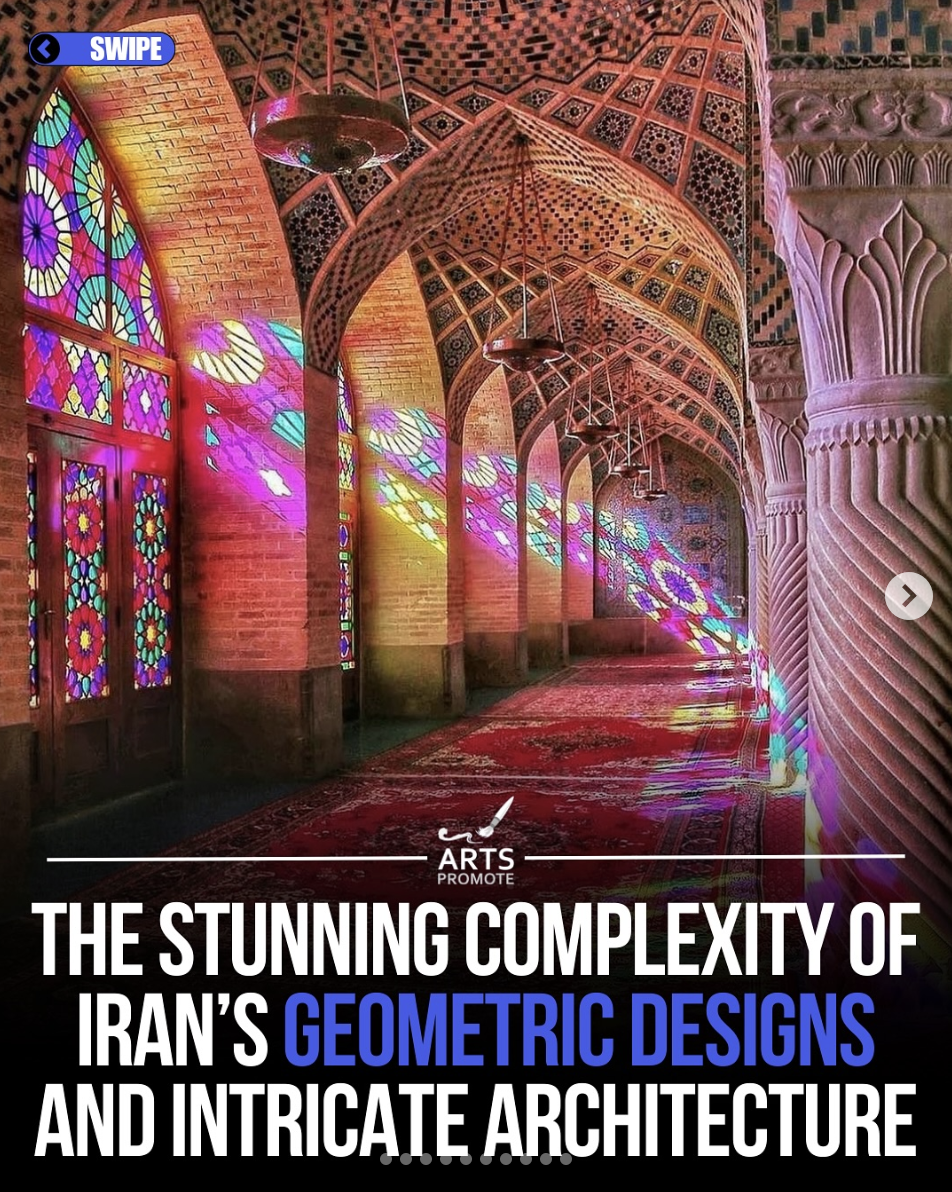
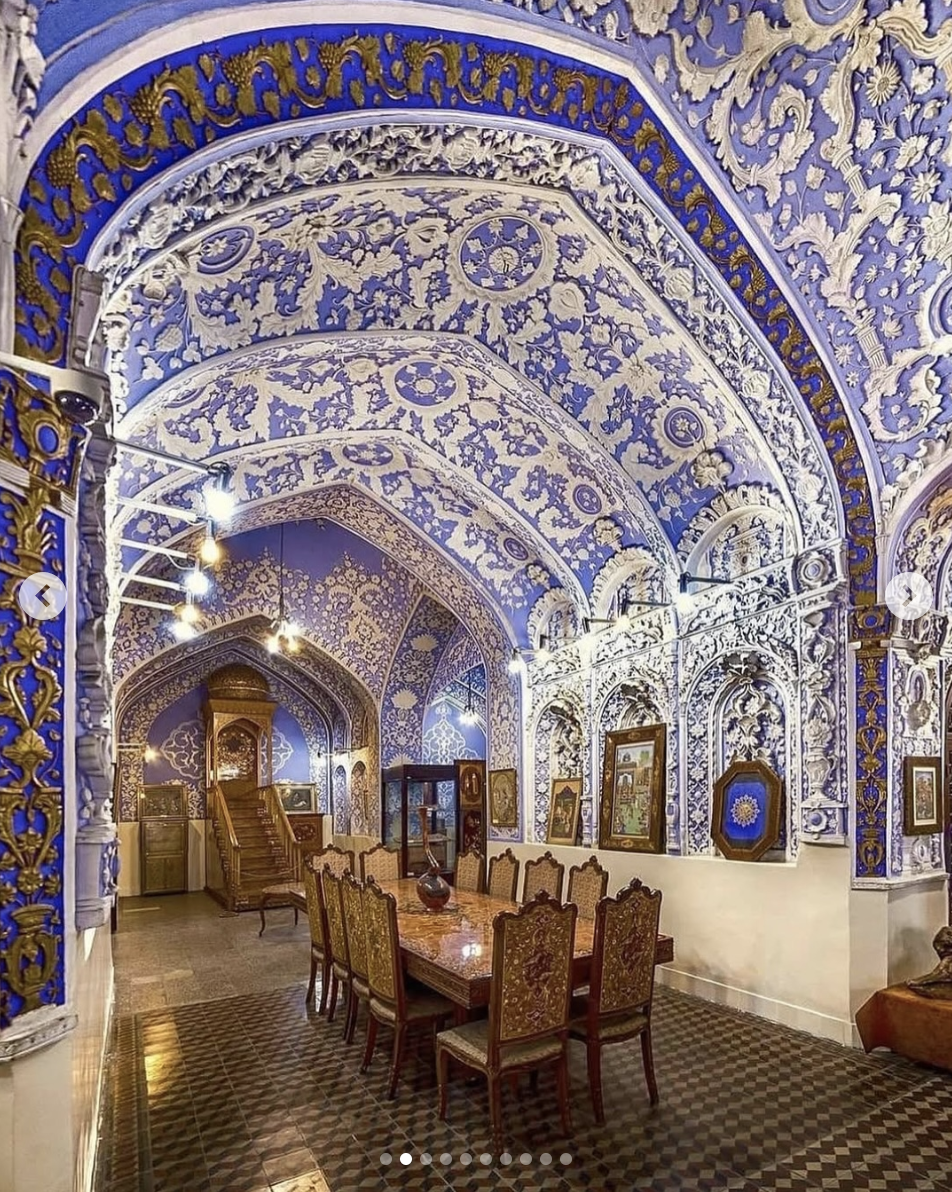
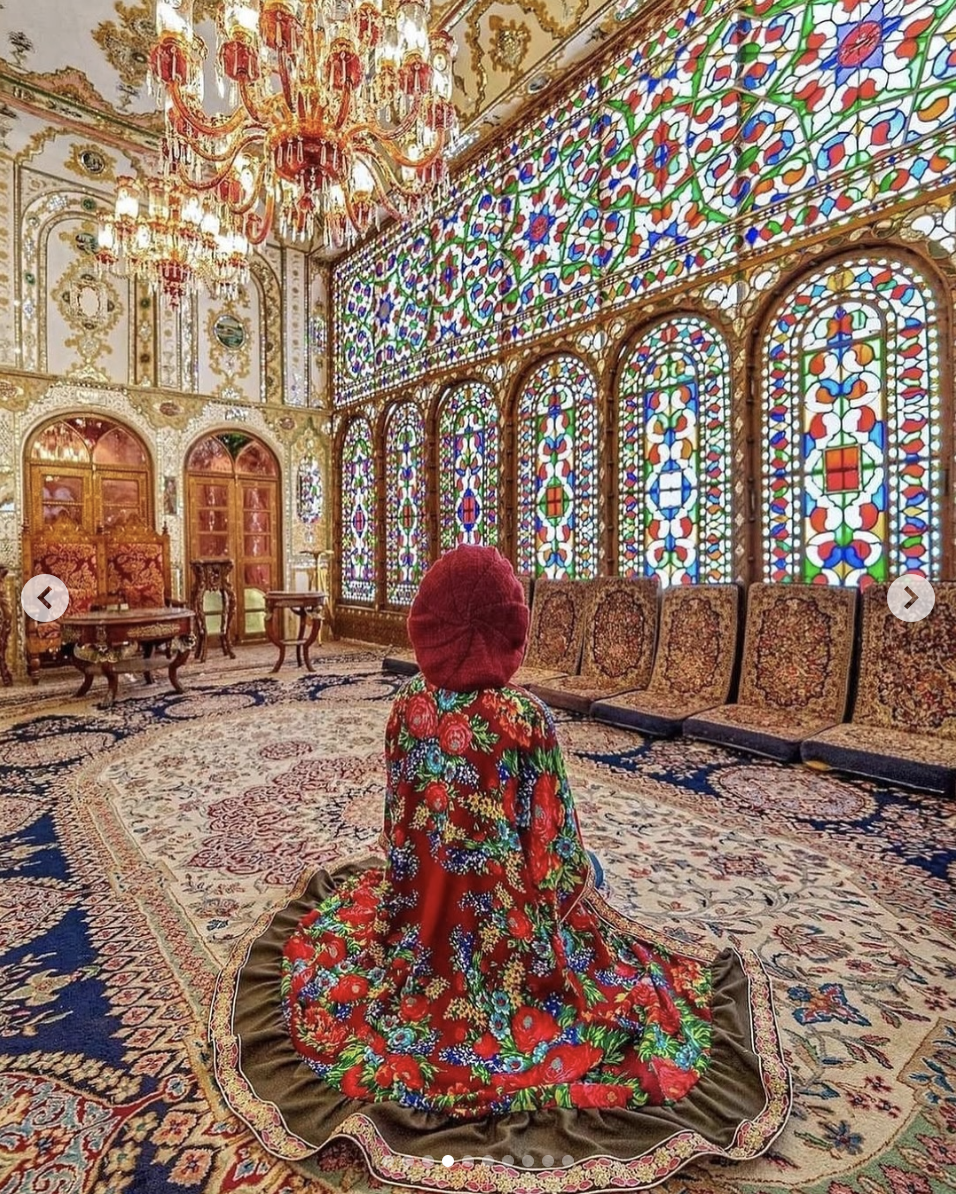
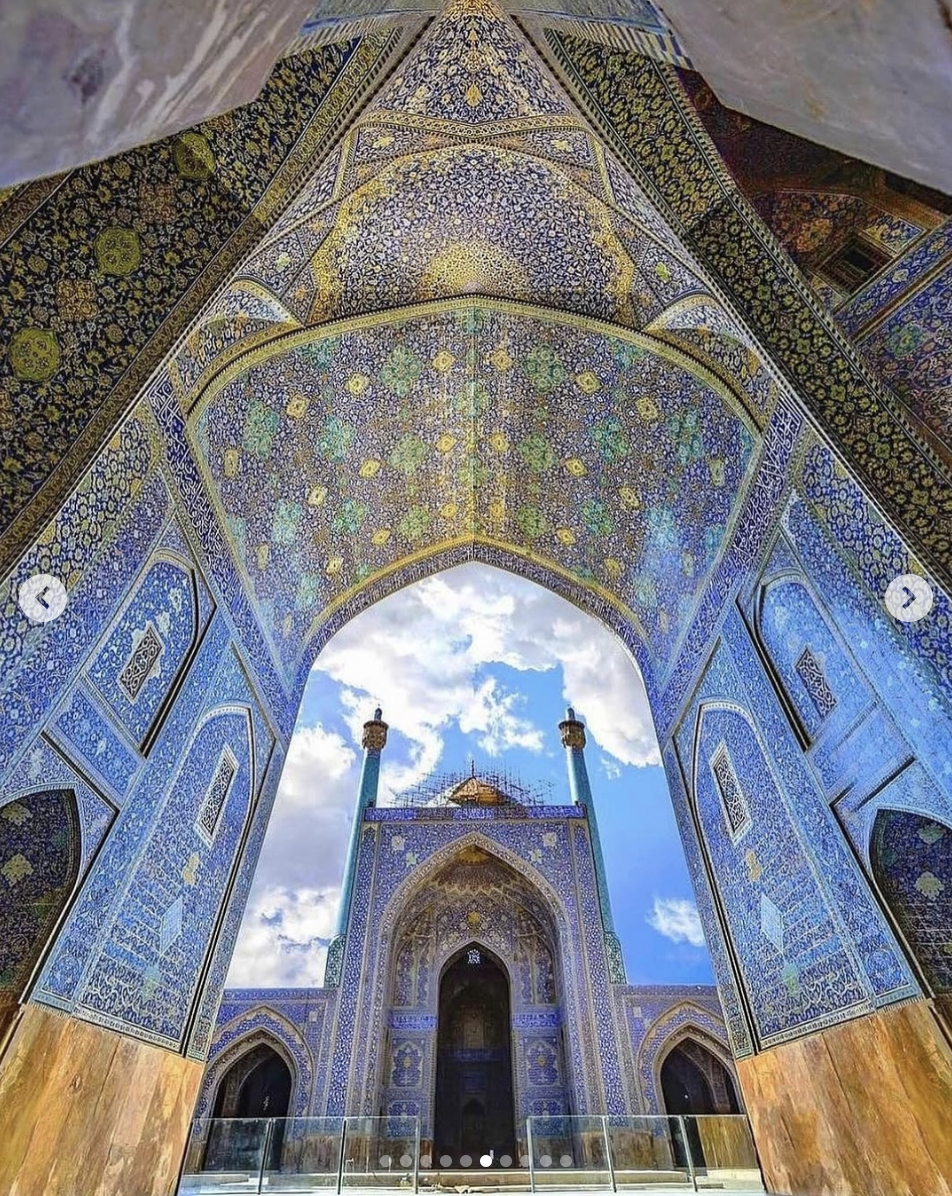
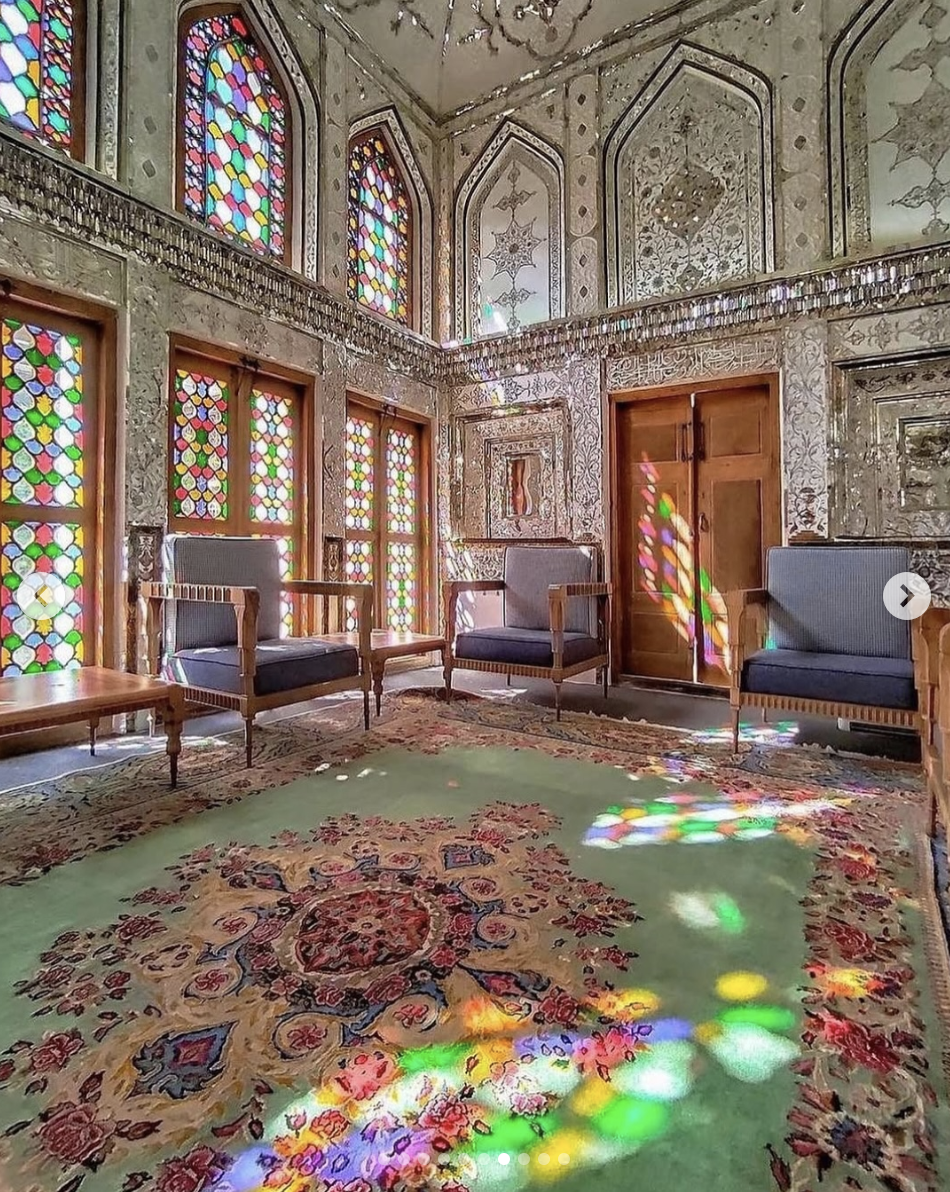
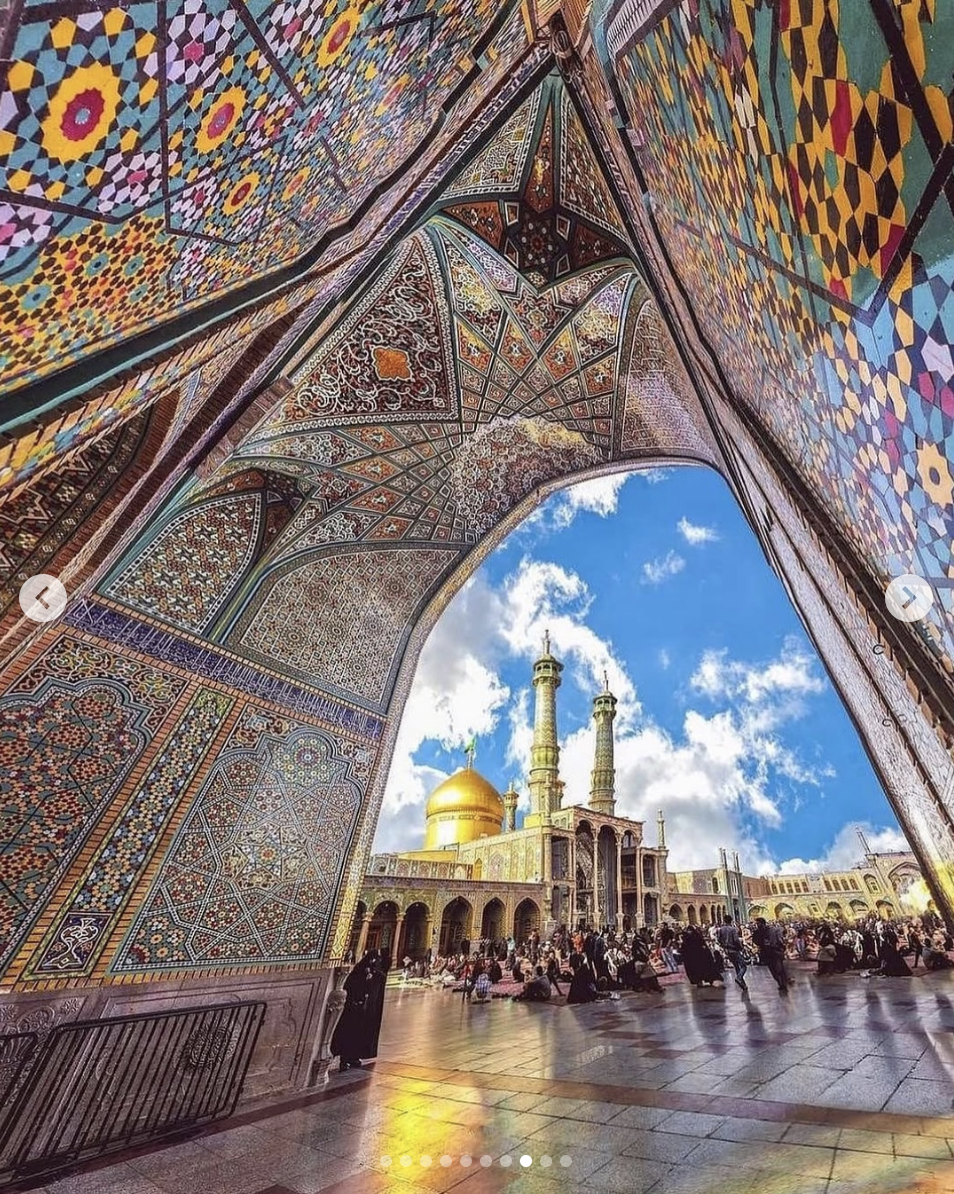
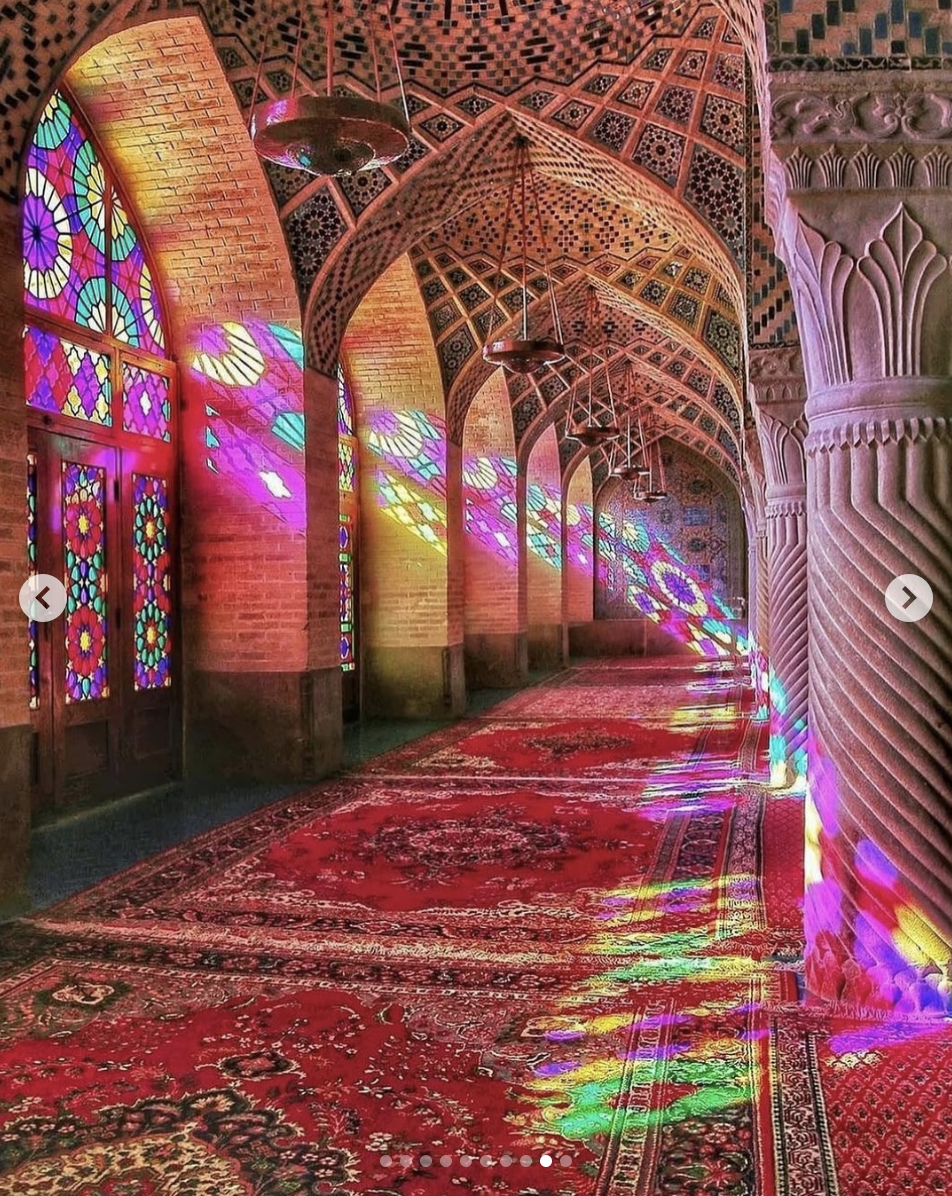
Reflections on Iranian architecture as inspiration for the emergence of modern original African architecture in the call for African nation-building.
Here is Iranian architecture playing an orchestra of colors that beautifully fuses the mathematical precision of geometric patterns with artistic elegance.
This is an example for African nation-building. The need for Africans to indigenously develop and ennoble its own interior design system from its own heritage, and then integrate its various models into standard home construction and interior design in Africa. Visionaries in office must use the executive arm of policy to incentivize this sector to flourish, which is so integral to African-nation building.
If you objectively observe African societies today, you will discover that the buildings African people and governments hail as evidence of “development and modernity” in their towns and cities are for the most part little more than cheap imitations of European and foreign architecture with imported technologies and furnishings! The obedient and indolent continuation of colonial designs and systems, to the exclusion of bringing life and refined expression to indigenous styles. The lack of self-esteem and confidence in one’s cultural capacity that neatly disguises itself as progress, but which is really retrogression.
African people today under wrong leadership are so hell bent on being little Europeans, instead of being proud Africans who constantly build and advance the original abilities and styles they already possess. Under these conditions, the self-respect and self-sufficiency of a people that comes with diligent cultural ennoblement and expression in all national sectors is lost! It is now high time to take a different course and start being original in all we do. So that our uniqueness as a people can beautifully shine and refresh the world with something different that comes from the ennobled spirit of the African people!
Leaders of Africa, remember that, as a gift of the Creator, all Africa needs to indigenously advance in all sectors lies in the abilities within the spirit of the African people, which calls for originality and not copying! Your task is to set the example of proud originality by building from within, create the frameworks and systems that harnesses these abilities, and inspire unification of thought and action around the implementation of original visions from above for African nation-building!
Focused Upward, Forever Onward!
~Dr. Ikenna A. Ezealah, Ph.D., MBA Builder of the African Future
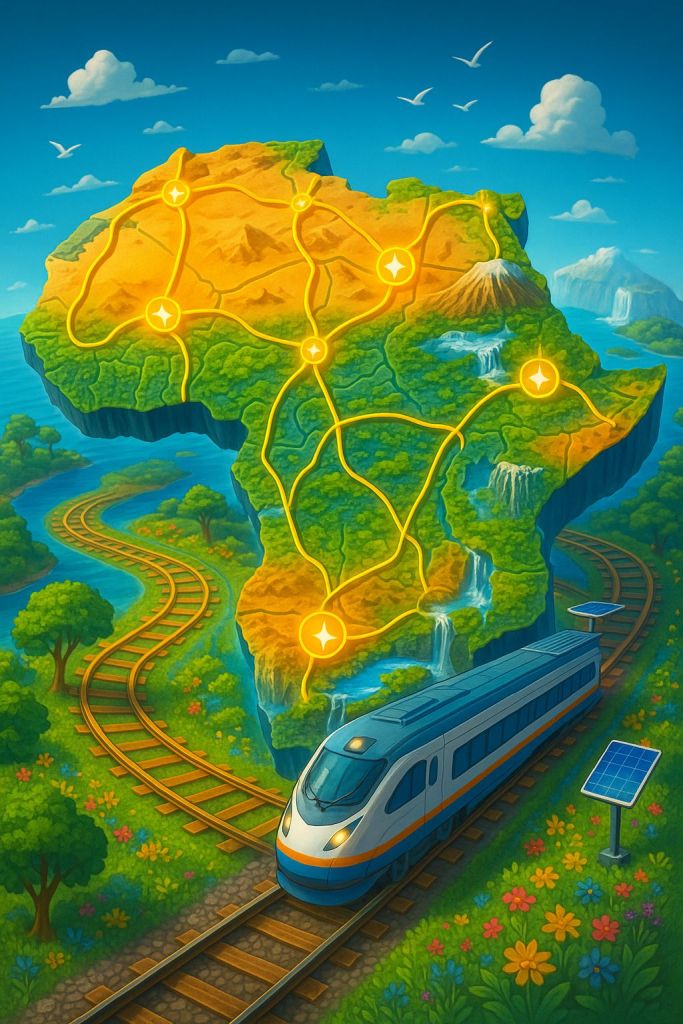
In Africa, what type of transportation network is best suited to unlock the free movement of persons, seamlessly connect all parts of the continent, and enable the dynamic movement of goods and services?
Before law school, I read the AfCFTA agreement twice and created a series of charts and flowcharts to make the information easily accessible. I reflected on the AfCFTA’s goal of promoting the free movement of people and its aim to enhance economic integration and unity across Africa, and I noticed how it aligns with the African Union’s Agenda 2063 free movement goals.
Considering these objectives, I asked myself what form of transportation would best enable the free movement of people across Africa? And I envisioned a comprehensive and fully integrated African Continental Railway System (ACR).
Airplanes are important modes of transportation, but to best unlock the movement of people, goods and services in Africa, it is my conviction that an African Continental Railway System is best suited to the African dynamics and disposition.
African leaders could collaborate to create a framework for a Continental Railway System, linking all regions of the continent and allowing citizens to travel freely between countries. First, a continental network could be established, followed by regional railway frameworks aligned with the ACR for seamless connectivity. National governments could then layer their railways in coordination with these regional and continental plans. The economic, political, and social impact of such a system would be transformative, releasing a socioeconomic sonic boom into the future.
A continental railway would facilitate the movement of people, goods, ideas, and resources, allowing Africans to live in one country and work in another. Imagine a person living in Nairobi (Kenya) who can work in Enugu (Nigeria). Consider a developmental project in Abijan (Côte d’Ivoire) that can be partially staffed by technical experts from Yaounde (Cameroon) who would get there daily through a highspeed railway linking the countries.
But it would also create jobs across countries for Africa’s growing population, sparking continent-wide productivity and skills development. Rail construction, operation, engineering, and logistics would involve an unprecedented transfer of skills and training, contracts, public-private partnerships, allowing African youths to play a central role in building and sustaining a unified infrastructure. The ACR would facilitate industrialization and manufacturing by also igniting the steel industry in Africa. For it would be Continental Law in promoting self-sufficiency that the production of all components of this Railway System must happen in Africa! Regional hubs connecting businesses, factories, industrial sites, cities, schools, and cultural centers would open Africa to itself, fostering a rich and reciprocal exchange of culture, resources, and labor. Africans could experience the continent’s natural landscapes, while work and leisure become truly continental.
Imagine traveling on the ACR from Conakry (Guinea) to Addis Ababa (Ethiopia) or Khartoum (Sudan) to Pretoria (South Africa). On the major pit stops African people from different ethic groups would embark and disembark. Think about the human and cultural connection! Imagine seeing and experiencing the diverse landscapes and natural wonders of Africa as you travel! It is impossible to see and appreciate the natural beauties of the land through air like you would closeup in a railway!
While challenges would undoubtedly arise, such an initiative would require comprehensive planning, precise coordination, tactical execution, public-private partnership, and the continuous engagement of citizens. However, if Africa’s leaders could establish the African Continental Free Trade Area (AfCFTA) to create a single trade market, they can achieve the same framework for the ACR. It just takes a bold vision, firm will, commitment to planning, and a tenacity for execution! The realization of this vision may take some time, but part of a visionary’s work is to establish frameworks for the future. And I believe the African Continental Railway System represents the best means of achieving a connected Africa for the free movements of persons and goods.
Let African leaders, governments, and institutions take note.
Let nation-builders in Africa step forward, bold and courageous, to build the African future! Leaders of Africa, it is high-time to think big and start leading with bold visions and diligent hands that work to realize it for the progress and development of the African people!
Onward & Upward!
~Dr. Ikenna A. Ezealah, Ph.D., MBA Builder of the African Future
During the World Bank/IMF Spring meetings last week in DC, I attended the Africa Night DC Gala Reception on Wednesday, April 23 2025.
Since I am committed to African nation-building, I prioritize events and professional connections that will advance this life objective. Even personal relationships must directly or indirectly serve the goal of African nation-building.
As such, during the Africa Night Gala Reception which was attended by many splendidly dressed people in a convivial atmosphere, I had the pleasure of hearing the Vice President of Botswana, Mr. Ndaba Nkosinathi Gaolathe, deliver a sincere address to the crowd. When he finished, he sat down and was surrounded by his entourage.
My African nation-building antenna picked up an inner signal, so I decided to approach and confidently walked toward him for a personal conversation. As I neared his entourage, they assessed me then soon created an opening for me to pass. I stepped beside the seated VP, extended my arm in warm greeting, and he stood up and reciprocated. Thereupon I introduced myself, thanked him for his speech, and promptly stated my business which was focused on African nation-building in Botswana. I enjoyed our brief dialogue and also informed him that just last month (March 2025) I had met the Botswana President Duma Boko and Minister of Minerals & Energy Bogolo Kenewendo.
After interacting with the three government officials of Botswana, I am convinced that the future of the country is bright. The young vibrant team is poised to carry and build on the legacy of the first president and transformative leader: Sir Seretse Khama. In the future I hope to also support the developmental agenda of Botswana.
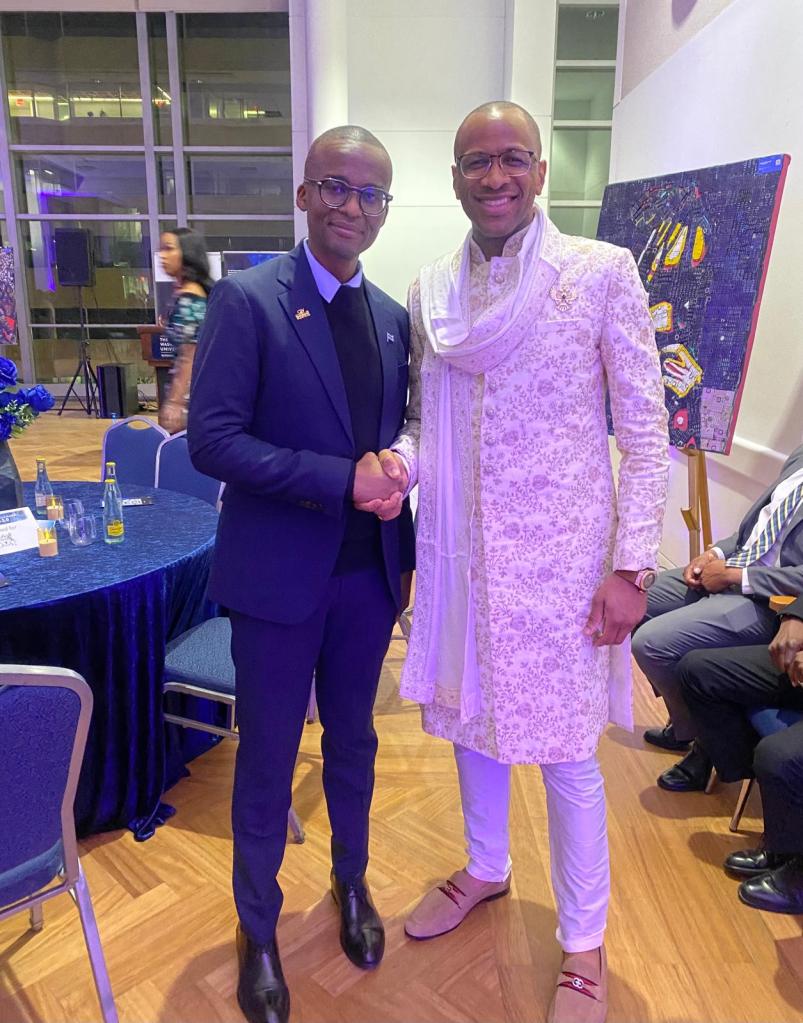
Vice President Ndaba N. Gaolathe of Botswana and Dr. Ikenna A. Ezealah
Onward & Upward!
~Dr. Ikenna A. Ezealah, PhD, MBA “Builder of the African Future”
For me, continuous reading, experience, and reflection are essential for professional development and thus for constantly refining the tools necessary for effective African nation-building.
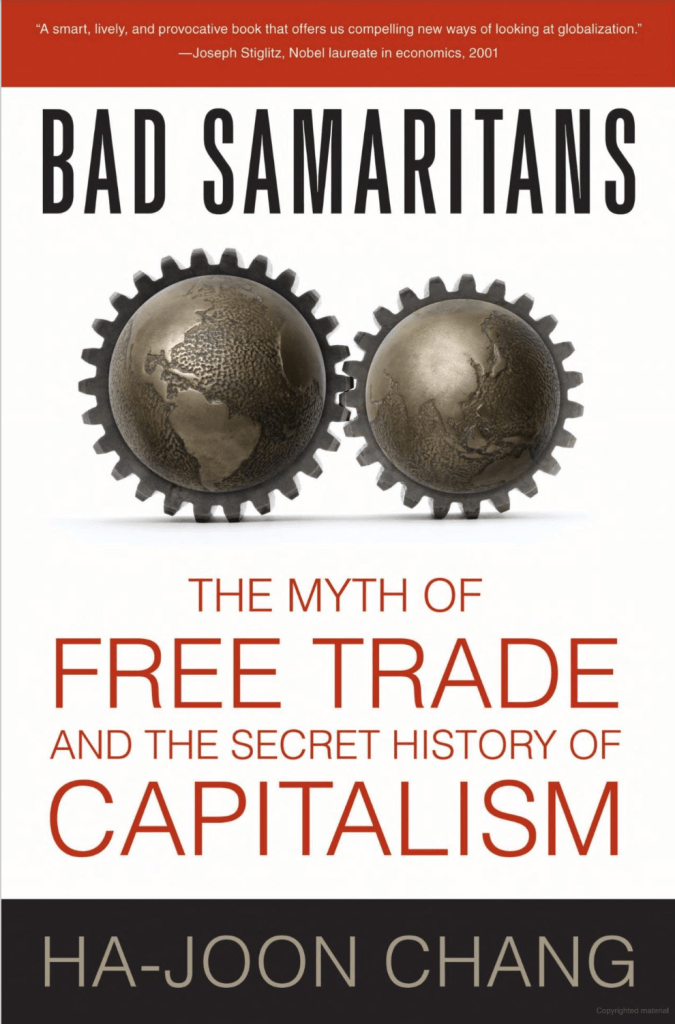
In line with this objective, I finished reading and reflecting on the book “Bad Samaritans: The Myth of Free Trade and the Secret History of Capitalism” by Ha-Joon Chang —a work I highly recommend! And not being too dramatic but, given the rich content, it should have been titled “The Gospel of Economic Development According to Chang”.
The range of topics, the sharpness of his analysis, and his dynamic use of humor made the examination of economic development both insightful and engaging. His work has enhanced my perspective and sharpened my African nation-building toolkit!
Summary: Using wit, an engagingly personal style, and a battery of examples, Chang blasts holes in the orthodoxy of Thomas Friedman and other liberal economists who argue that only unfettered capitalism and wide-open international trade can lift struggling countries out of poverty. On the contrary, Chang shows that today’s economic superpowers-from the U.S. to Britain to his native Korea–all attained prosperity by shameless protectionism and government intervention in industry.
He argues that the alliance of advanced countries (acting as ‘Bad Samaritans’) have conveniently forgotten this fact, telling the world a fairy tale about the magic of free trade led by the US and mediated by the ‘Unholy Trinity’ of international economic organizations that they largely control—World Bank, International Monetary Fund, and World Trade Organization; ramming policies that suit them down the throat of the developing world.
Unlike typical economists who construct models of how the marketplace should work, Chang examines the past: what has actually happened. His pungently contrarian history demolishes one pillar after another of free-market mythology. We treat patents and copyrights as sacrosanct―but developed our own industries by studiously copying others’ technologies. We insist that centrally planned economies stifle growth―but many developing countries had higher GDP growth before they were pressured into deregulating their economies. Both justice and common sense, Chang argues, demand that we reevaluate the policies we force on nations that are struggling to follow in our footsteps.
Three Previously Completed Books: ✅ Why Nations Fail: The Origins of Power, Prosperity , and Poverty – Daron Acemoglu and James A. Robinson. ✅ Dead Aid: Why Aid Is Not Working and How There Is a Better Way for Africa – Dambisa Moyo ✅ Africa Unchained; The Blueprint for Africa’s Future – George Ayittey
Onward & Upward!
~Dr. Ikenna Ezealah “Builder of the African Future”
On this momentous day, March 6, 2025, I join the people of Ghana and the Global African community in celebrating the anniversary of Ghana’s independence, achieved under the leadership of the Osagyefo Dr. Kwame Nkrumah! I also honor The Big Six of Ghana (Kwame Nkrumah; Joseph Boakye (‘J.B.’) Danquah; Emmanuel Obetsebi-Lamptey; Ebenezer Ako-Adjei; William Ofori Atta; Edward Akufo-Addo)—and all others who contributed to the struggle for Ghana’s political liberation. Their efforts not only secured Ghana’s independence, but also set a precedence for other independence movements across Africa.
On March 6, 1957, Ghana became the second African country to gain independence. Although it is widely regarded as the first, historical accuracy gives that distinction to Sudan, which gained independence from British-Egyptian rule on January 1, 1956—making it the first African country to gain independence in the year 1956, before Ghana.
Sudan’s colonial administration was unique —it was governed under an Anglo-EgyptianCondominium (1899-1956), meaning it was jointly ruled by Britain and Egypt, rather than being a direct colony of a single European power. So, while Sudan was the first African country to gain independence in 1956, Ghana (1957) was the first African country to gain independence from direct European colonial rule (British Gold Coast).
As a Garvey-Nkrumah Legal Fellow, our delegation visited Ghana and Rwanda in the Summer 2024. After completing our official business for the trip—including a meeting with the President of Ghana—we visited the Kwame Nkrumah Memorial Park & Mausoleum in Accra. The previous Summer, I had read Dr. Nkrumah’s autobiography and had devoted time to understanding him not just as a leader, but as a person—exploring his deeper aims and motivations. This experience was deeply inspiring and further reinforced my commitment to African nation-building!
On July 19, 2024, I stood beside Dr. Nkrumah’s statue, mirroring his forward-pointing gesture that powerfully embodies his famous words: “Forward ever, backward never.” Then I knelt before his grave, filled with different intuitions. Sometimes in life, the most precious things cannot be shared.
“Osagyefo Dr. Kwame Nkrumah, a thousand thanks for your positive example of visionary African leadership, and your unbending commitment for the welfare and progress of the African people. Most of all, your natural reverence for God. These are noble qualities desperately lacking in African leadership today, and we feel the big gap left by your absence.”
I will carry the torch of African progress forward, working diligently to ensure it burns brighter in this generation—singularly focused on the mission of African nation-building!
Confidently I walk the path of destiny—“Forward ever, backward never”—focused upward, forever onward!
Happy 68th Independence Day Ghana!
~Dr. Ikenna Ezealah “Builder of the African Future”
Years ago, when I read the African Continental Free Trade Agreement document, the last paragraph surprised me:
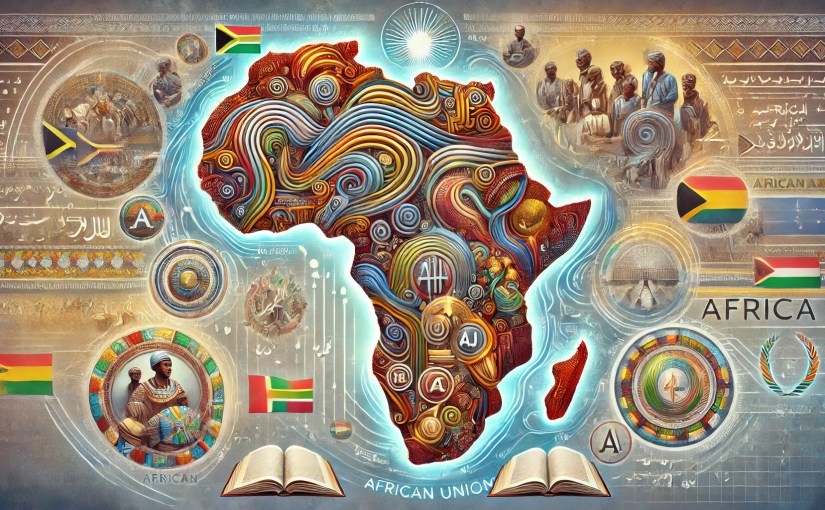
“WE, the Heads of State and Government or duly authorised representatives of the Member States of the African Union, have signed and sealed this Agreement in four original texts in Arabic, English, French, and Portuguese languages, all texts being equally authentic.”
Not one of those languages is originally African! A document meant to represent African interests is not presented in an original African language. Do you see the linguistic confusion in Africa today?
To develop as a unified body, Africa needs a common indigenous language as a unifying element among its diverse peoples and ethnic groups. Genuine cooperation, strategic alignment, mutual understanding, and policy coherence, which facilitate economic development, assume simplicity and ease of communication. Africa cannot claim this today.
If you study the development of both historical and modern world powers, one common element that facilitated their growth was linguistic homogeneity. Even when different languages and dialects existed within their borders, one primary language guided them. Africa lacks this.
Today, Africa is linguistically similar to the Tower of Babel—a mixture of hundreds of local languages and dialects beneath a handful of colonial languages. In an African country, some speak the colonial language, others a broken mix of it and a local language, and still others speak only the local language. Multiply this across all African countries! What you have, in the final analysis, is linguistic chaos ripe for divisive tribalism.
Despite this, policymakers are attempting to unite Africa through policy initiatives. But what is the chance of success? How can one African truly empathize with another when they cannot even understand each other?
Real leadership demands that hard decisions be made. The African Union should take the lead, and with the cooperation of the Ministers of Education, a chosen language should be taught in all African schools starting from primary education. I am not proposing “linguicide,” as all other languages would remain intact, learned, and culturally passed on to future generations. Nor does this chosen language imply “superiority”; it is simply a means of collective cooperation. All egos, tribalism, and emotions must be put aside, and leaders must be able to make this decision objectively, without regard to ethnic affiliation—a tall order today!
Africa is still linguistically colonized and cannot fully develop as a united body so long as a local language (or a few) is not primary, and European languages remain its main form of communication. Instead of just one, each region could adopt a common language, resulting in five main African languages!
Africa needs a common language (or basket of languages), so its people have a true medium to promote unity and collective progress.




 Nation Upbuilding